
Red Yeast Rice Powder: The Complexities of Chinese Wholesale
For many in the supplement industry, sourcing Red Yeast Rice (RYR) powder from China presents a uniquely challenging proposition. Unlike straightforward botanical extracts, this ingredient sits at a precise intersection of traditional fermentation, modern standardization, and significant regulatory scrutiny. The wholesale market for it is robust, but navigating it successfully requires an understanding that goes far beyond basic price comparisons. This is a category where informed sourcing is not just good business—it’s a fundamental necessity.
The Product and Its Production
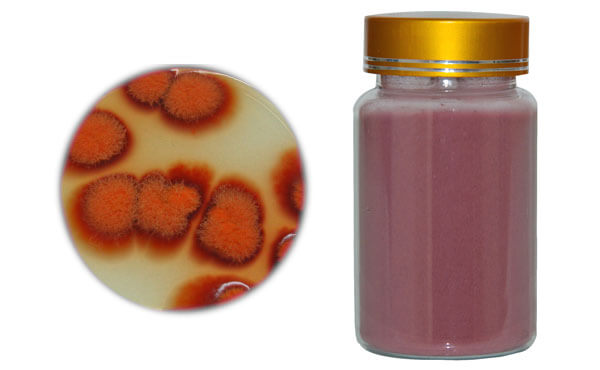
Red Yeast Rice is not farmed; it is fermented. It is the product of inoculating cooked rice (Oryza sativa) with a specific strain of the yeast Monascus purpureus. Under controlled conditions, the yeast grows, producing a spectrum of compounds that give the rice its characteristic deep red color. Among these compounds are monacolins, with Monacolin K being chemically identical to the compound lovastatin, a cholesterol-management pharmaceutical. This fact defines the entire commercial and regulatory landscape for the ingredient. Suppliers in China, drawing on a long history of using the product in food and traditional medicine, have industrialized this fermentation process, producing powder at a scale that supplies global markets.
A Distinct Supplier Ecosystem
The supply chain for RYR powder is specialized, generally populated by two main types of operators:
-
Dedicated Fermentation Facilities: These are the primary manufacturers. Their core business is microbial fermentation. They operate in controlled environments—fermentation tanks or specialized rooms—to produce consistent batches of the cultured rice. After fermentation, the product is dried and milled into powder. These facilities often have the capability to adjust fermentation parameters to influence the profile of the final product, including its monacolin K content. They are the most direct source, but their minimum order quantities can be substantial, and they expect buyers to understand basic specifications.
-
Specialized Processors and Traders: This group purchases bulk fermented rice from fermentation facilities and may provide additional processing, such as fine milling, extraction, or blending. They also act as wholesalers. While they can offer more flexible terms and smaller MOQs, they add a layer between the buyer and the original fermentation process. This makes verifying the conditions of production and the strain of yeast used more difficult. Their value is in logistics and service, but due diligence on their upstream partner is critical.
The Critical Specifications: Potency and Purity
When discussing RYR powder, two technical parameters dominate the conversation and dictate both efficacy and legal compliance.
-
Monacolin K Content: This is the standard measure of potency. It is expressed as a percentage of the powder (e.g., 0.4% Monacolin K) or in milligrams per gram (e.g., 4 mg/g). This is not a measure of the total monacolin content, but specifically of the Monacolin K fraction.
-
Natural Variation: In a simple fermented rice powder, the monacolin K content is a result of the specific yeast strain and fermentation conditions. It is typically low, often ranging from 0.2% to 0.6%. Claims of very high percentages (e.g., 2% or more) in a basic powder should be met with skepticism, as they may indicate spiking or the use of an enriched extract blended with a carrier powder.
-
Standardized Extracts: Many suppliers offer RYR extracts standardized to a higher, more consistent monacolin K level (e.g., 1.5%, 5%). These are produced by concentrating the active compounds from the fermented rice onto a carrier like maltodextrin. It is essential to know if you are buying the raw fermented powder or a standardized extract, as their applications and dosing differ vastly.
-
-
The Citrinin Imperative: This is the non-negotiable safety specification. Citrinin is a nephrotoxic mycotoxin that can be produced as a byproduct by some Monascus strains during fermentation. Reputable suppliers use citrinin-free yeast strains and tightly control fermentation to prevent its formation.
-
Testing is Mandatory: Every single batch must be accompanied by a Certificate of Analysis (COA) from a qualified third-party lab proving the absence of citrinin, or showing levels below the strictest international limits (often less than 0.2 ppm or 100 ppb). Accepting a supplier’s assurance without documented, batch-specific testing is an unacceptable risk.
-
The Sourcing Process: Diligence and Documentation
Engaging with RYR suppliers requires a protocol built on verification. After initial contact, the request for documentation should be immediate. A legitimate supplier will readily provide a recent COA that includes:
-
Monacolin K content (with test method noted, usually HPLC).
-
Citrinin content (with test method and a clear "Not Detected" or a value far below limits).
-
Standard heavy metals panel.
-
Microbial limits.
The sample phase is not optional. You must test the sample yourself. Send it to an accredited third-party laboratory to confirm the monacolin K potency and, most importantly, to conduct a sensitive, specific test for citrinin. This step validates the supplier’s claims and protects your business from liability.
Conversations should be technical. Ask about the specific Monascus strain used, their fermentation batch size, and their in-house QC for citrinin. Inquire if they offer both raw powder and standardized extracts. Ambiguity in these answers is a red flag.
Finally, understand the regulatory environment in your target market. Regulations concerning monacolin K levels and required warnings vary significantly between the US, Europe, and other regions. Your sourcing specifications must be designed to create a finished product that complies with your local laws.
Sourcing Red Yeast Rice powder from China is a process defined by caution and clarity. The market provides access to a high-demand ingredient, but it also contains genuine risks. The successful buyer focuses less on finding the cheapest source and more on identifying a partner with a transparent, documented fermentation and testing process. In this trade, the paperwork—the strain documentation, the batch-specific COAs, and your own independent lab reports—isn’t just administrative; it’s the foundation of a viable and responsible product.