

Understanding the Clinical Reality of Getting a Dental Implant in Vietnam
I have been participating in several dental health forums lately, and a recurring topic that keeps popping up is the viability of traveling for major restorative work. Specifically, many patients are asking about the long-term success rates and clinical protocols involved when choosing a dental implant in Vietnam. As someone who follows the evolution of global dentistry closely, I think it is important to move past the price-tag discussion and look at the actual medical standards, biological requirements, and the "why" behind the procedure’s success or failure.
Replacing a missing tooth is not just a cosmetic fix; it is a functional necessity to prevent bone resorption and shifting of the adjacent teeth. Whether you are looking at clinics in Europe or considering a dental implant in Vietnam, the fundamental biological principles of osseointegration remain the same. This is the process where the titanium post fuses with the living bone tissue. According to benchmarks often cited by the American Dental Association (ADA), the success of this fusion depends heavily on three things: primary stability during surgery, the sterile environment of the theater, and the patient’s systemic health.
Technical Standards and Diagnostic Precision
One of the most critical phases of the implant process is the pre-operative assessment. In high-standard international clinics, this isn't just a physical exam. It requires 3D Cone Beam Computed Tomography (CBCT) to evaluate the height and width of the alveolar bone. I’ve noticed that reputable centers in Southeast Asia have invested heavily in this technology. If a clinician suggests an implant without a 3D scan, that is a significant red flag. The scan ensures the surgeon avoids vital structures like the mandibular nerve or the maxillary sinus.
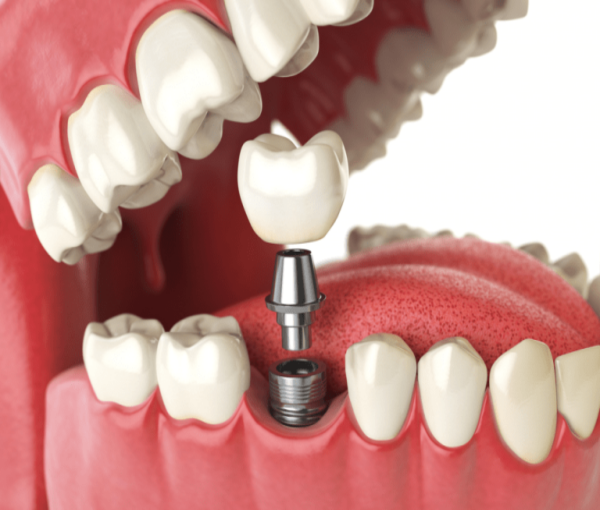
Another technical aspect is the choice of the implant system itself. Most patients seeking a dental implant in Vietnam are looking for "open systems"—brands like Straumann, Nobel Biocare, or Osstem. The advantage here isn't just the high-grade titanium; it’s the global availability of parts. If you have your surgery in Ho Chi Minh City but live in Sydney or London, your local dentist must be able to find the specific abutment tools or screw drivers for that brand if maintenance is needed five or ten years down the line.
Managing Expectations and Biological Timelines
A common pitfall in dental tourism is the "rush." Biology does not care about flight schedules. While some cases allow for "Immediate Loading" (getting a temporary crown on the same day), many patients actually require a healing period of 3 to 6 months before the permanent crown is placed. This is especially true if a bone graft or sinus lift is required to create a stable foundation.
For those researching the specific steps and what to expect during the clinical journey, you can find a more detailed breakdown of the process here: https://dentalinvietnam.com/dental-implant-in-vietnam/
It is also vital to consider the "soft tissue" aspect. A successful implant needs a healthy "cuff" of gum tissue around it to act as a barrier against bacteria. As organizations like the Mayo Clinic point out, peri-implantitis (a form of gum disease around implants) is the leading cause of late-stage failure. This means your post-operative hygiene is just as important as the surgeon’s skill. If you are traveling for care, you must have a plan for professional cleanings and check-ups once you return home.
Practical Tips for International Patients
If you are weighing your options, here are a few points based on professional observations:
-
Request an Implant Passport: Always get a document stating the brand, model, and diameter of the implant used.
-
Check the Surgeon’s Credentials: Look for memberships in international bodies like the ITI (International Team for Implantology).
-
Be Honest About Your Health: Conditions like uncontrolled diabetes or heavy smoking significantly increase the risk of the bone not bonding with the implant.
-
Plan for Two Trips: If possible, do not try to squeeze the entire process into one short holiday. The best results often come from allowing the body time to heal between stages.

The landscape of dentistry in Vietnam has matured significantly, with many specialists having trained in the US or Europe. However, the onus is still on the patient to perform due diligence. A lower cost should never mean a shortcut in the sterilization chain or the diagnostic phase.
In conclusion, achieving a healthy, lasting smile through dental implants is a collaborative effort between a skilled clinician and a compliant patient. Whether you stay local or travel abroad, the focus should always be on evidence-based protocols and long-term oral health rather than just the immediate aesthetic result.
For more general information on dental standards and navigating care in the region, you can refer to the resources at: https://dentalinvietnam.com/
