

How Painful is a Root Canal Procedure? A Comprehensive Guide
Root canal therapy is often misrepresented as a painful dental procedure, which can lead to unnecessary anxiety for those needing treatment. This article aims to clarify misconceptions about root canal procedures, address the question of how painful they really are, and provide insights into the benefits of undergoing this procedure for dental health.
Understanding Root Canal Treatment
A root canal is a dental procedure designed to treat infection at the center of a tooth, known as the pulp. When bacteria invade the pulp due to deep decay, cracks, or trauma, a root canal becomes necessary to save the tooth and alleviate symptoms.
Why is a Root Canal Necessary?
- Infection Prevention: To remove infected tissue and prevent the spread of bacteria.
- Pain Relief: To alleviate severe discomfort caused by inflamed or infected pulp.
- Tooth Preservation: To save a tooth that could otherwise lead to tooth loss if untreated.
See more: https://dentalinvietnam.com/root-canal-treatment-costs-in-ho-chi-minh-city/

The Procedure: What to Expect
Knowing what to expect during a root canal can help reduce anxiety about the procedure. Here’s a step-by-step overview of what typically happens:
Step 1: Diagnosis and Preparation
Before the procedure, your dentist will conduct a thorough examination, often using X-rays to assess the extent of the infection. Once diagnosed, the treatment plan is laid out and you’ll be informed about what to expect.
Step 2: Anesthesia
To address the concern of pain, local anesthesia is administered to numb the affected area. Many patients report feeling little to no pain during the actual procedure due to effective anesthesia.
Step 3: Cleaning the Tooth
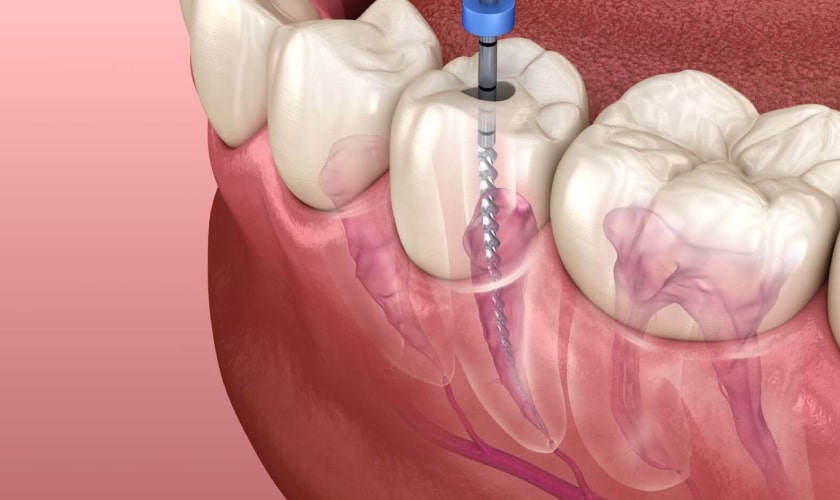
Once numb, your dentist will create a small opening in the tooth to remove the infected pulp. Specialized instruments are used to clean and shape the tooth's interior.
Step 4: Filling and Sealing
After cleaning, the tooth is filled with a biocompatible material called gutta-percha to seal it. The opening is then sealed to protect the tooth from contamination.
Step 5: Follow-Up Care
In many cases, a crown is placed on the tooth to restore its function and appearance after a root canal, requiring a follow-up visit.
How Painful is a Root Canal Procedure?
The pervasive belief that root canals are painful often stems from outdated notions and fear. However, most patients find that the procedure is not as painful as anticipated. Here are some key points to consider:
Pain Levels during the Procedure
- Minimal Discomfort: Thanks to local anesthesia, most patients experience minimal discomfort while the dentist performs the procedure.
- Post-Procedure Sensitivity: It is common to feel some sensitivity or discomfort in the days after the procedure, akin to what you might experience after a dental filling. This discomfort can usually be managed with over-the-counter pain relievers.
Factors Influencing Pain Levels
- Extent of Infection: The level of pain experienced during and after a root canal can be affected by the extent of the infection.
- Individual Pain Tolerance: Everyone has a different threshold for pain, so experiences may vary.
- Dentist’s Skill: An experienced dentist or endodontist can significantly reduce discomfort during the procedure.
Pain Management Strategies
- Pre-Procedure Medication: Discuss with your dentist the possibility of taking anti-anxiety medication or pain relievers before your appointment.
- Post-Procedure Care: Follow your dentist's aftercare recommendations, including using ice packs to reduce swelling and taking prescribed pain medications.
Benefits of Undergoing a Root Canal
While pain is a concern, it’s essential to weigh that against the benefits of undergoing root canal treatment:
- Pain Relief: Upon completion of the procedure, most patients experience significant pain relief as the source of infection is removed.
- Preservation of Natural Tooth: Saving your natural tooth can prevent the need for more extensive dental work, such as implants.
- Improved Oral Health: Removing infection helps improve overall oral health and reduces the risk of further complications.
Common Myths About Root Canals
- "Root Canals Are Always Painful": As discussed, modern techniques and anesthesia make this statement largely untrue.
- "You’ll Need Sedation for a Root Canal": While some patients may prefer sedation for anxiety, most can comfortably undergo the procedure with local anesthesia.
- "A Root Canal Will Fail": With proper care, root canals have a high success rate, often exceeding 90%.
Addressing the question of how painful is a root canal procedure involves understanding modern dental practices and debunking myths surrounding the treatment. While some discomfort may occur, effective anesthesia and pain management ensure that the procedure is often more comfortable than expected. The long-term benefits of preserving your natural tooth far outweigh the temporary discomfort. If you are considering a root canal, speak with your dentist about your concerns and the steps involved in the process. With the right information, you can approach your root canal with confidence and peace of mind.
