

How Long Does a Tooth Filling Last? Understanding the Lifespan of Dental Fillings
Tooth fillings are a common dental procedure used to restore the function and integrity of a tooth affected by decay. If you've ever found yourself asking, "How long does a tooth filling last?" you're not alone. This question is frequently posed by patients seeking to understand both the longevity of fillings and the factors that affect their lifespan. In this article, we will explore the different types of fillings, their durability, and essential care tips to help extend the life of your filling.
Types of Dental Fillings
The lifespan of a tooth filling largely depends on its material. Here are the most commonly used types of dental fillings:
-
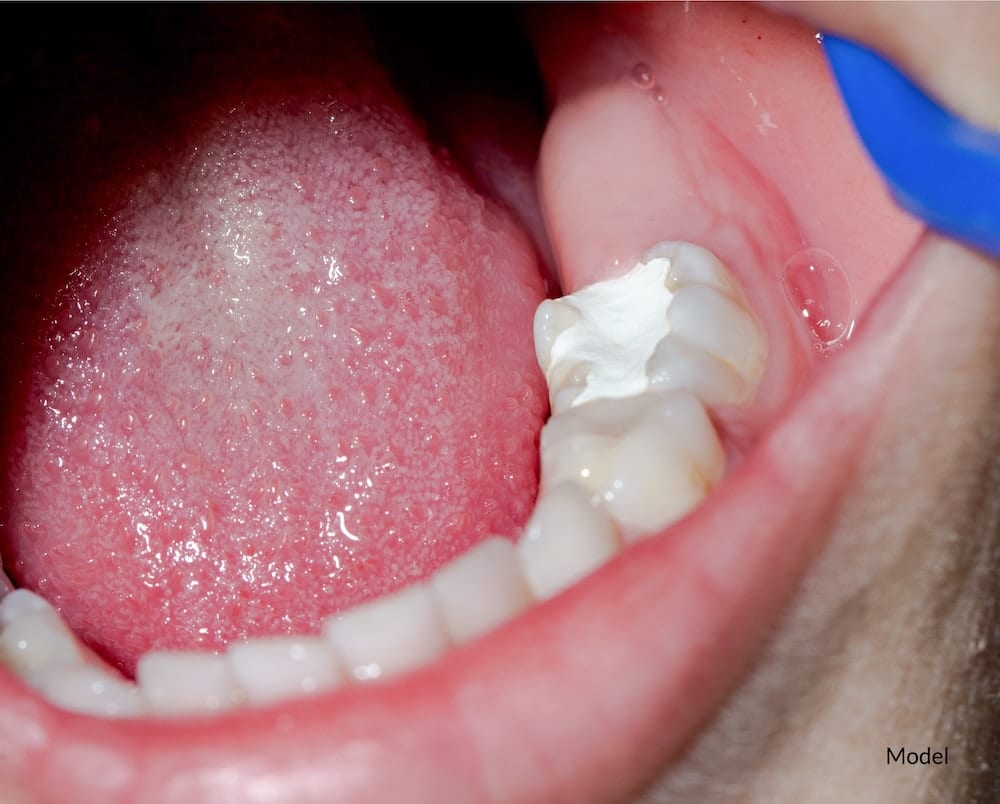
Amalgam Fillings: Made from a mixture of metals, including silver, mercury, copper, and tin, amalgam fillings are durable and can last anywhere from 10 to 15 years. They are often used for back teeth due to their strength.
-
Composite Fillings: These tooth-colored fillings are made from a resin that can be easily shaped to match the natural tooth. While they are aesthetically pleasing, composite fillings typically last around 5 to 7 years, depending on location and use.
-
Ceramic Fillings: Known for their durability and natural appearance, ceramic fillings can last between 10 to 15 years. They are more resistant to staining compared to composite fillings, making them ideal for visible areas.
-
Gold Fillings: Although more expensive, gold fillings can last over 15 years. Their strength and biocompatibility make them a preferred choice for some patients, especially for molars.
>>> See more: https://dentalinvietnam.com/how-much-do-fillings-cost-in-vietnam/
Factors Affecting the Lifespan of Tooth Fillings
The longevity of your dental filling can vary significantly based on several factors. Understanding these can help you take better care of your dental work.
1. Material Quality
The quality of the filling material plays a crucial role in its longevity. Higher-quality materials, although more expensive, tend to last longer and offer better performance.
2. Location of the Filling
Fillings on back teeth often face more pressure from chewing compared to those on front teeth. This increased stress can wear down fillings more quickly.
3. Oral Hygiene Practices
Consistent and thorough oral hygiene is vital. Regular brushing and flossing can help prevent further decay and ensure the longevity of your fillings. Neglecting oral hygiene could lead to additional cavities or the need for replacement.
4. Dietary Choices
A diet high in sugar and acid can increase the likelihood of tooth decay, which can compromise the integrity of existing fillings. Limiting sugary snacks and drinks can help preserve your dental work.
5. Bruxism (Teeth Grinding)
People who grind their teeth may experience quicker deterioration of fillings due to the excessive pressure. If you suspect you grind your teeth, consult your dentist about possible solutions, such as a mouthguard.
6. Regular Dental Check-Ups
Regular visits to your dentist can help identify issues before they become significant problems. During check-ups, dentists can assess the condition of your fillings, making necessary repairs or replacements.
Signs That Your Tooth Filling Needs Attention
While dental fillings are designed to last for several years, they may not last indefinitely. Recognizing the signs that your filling may need attention can help prevent further issues:
-
Sensitivity to Hot or Cold: If you experience increased sensitivity in the filled tooth, it may indicate that the filling is wearing down or that decay has returned.
-
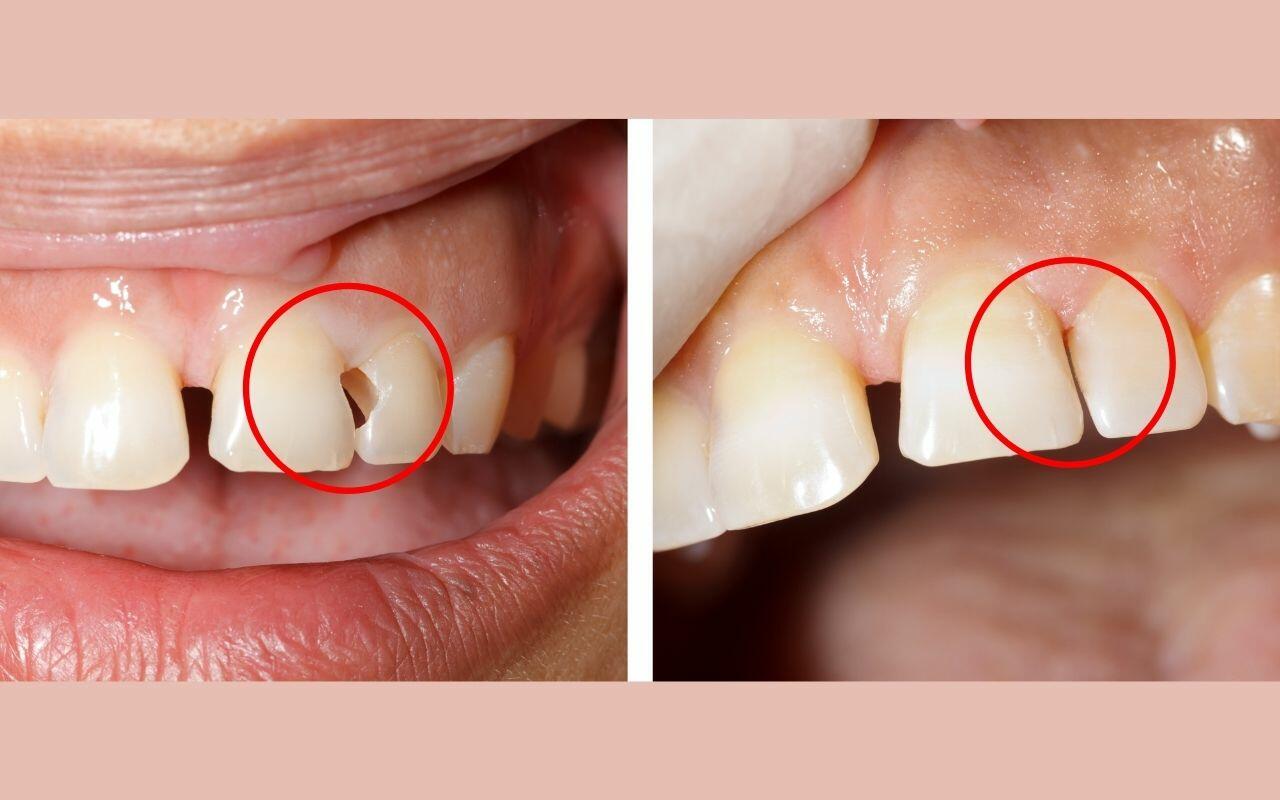
Visible Cracks or Chips: Any visible damage to the filling itself can compromise its effectiveness and may require replacement.
-
Pain or Discomfort: If you experience pain in the filled tooth that doesn't subside, it’s vital to consult your dentist. This could indicate an underlying issue.
-
Changes in Bite: If you notice changes in how your teeth fit together when you bite, it may be due to a filling becoming dislodged or worn down.
Extending the Life of Your Fillings
To maximize the lifespan of your tooth fillings, consider these helpful tips:
-
Maintain Proper Oral Hygiene: Brush at least twice a day with fluoride toothpaste and floss daily. This prevents decay and supports overall dental health.
-
Limit Sugary Foods and Drinks: Reducing your intake of sugar can help protect your teeth from further decay.
-
Avoid Hard Foods: Being cautious with nuts, hard candy, and ice can help prevent fillings from cracking.
-
Stay Hydrated: Drinking plenty of water can help wash away food particles and bacteria, promoting good oral health.
-
Use a Mouthguard: If you grind your teeth, a custom mouthguard can protect your fillings and teeth from excessive wear.
Conclusion
To summarize, the longevity of a tooth filling can vary based on the type of material used, location in the mouth, oral hygiene habits, dietary choices, and bruxism. Generally, you can expect fillings to last anywhere from 5 to 15 years, with appropriate care and regular dental visits playing a crucial role in their maintenance. By understanding the factors that influence the lifespan of your fillings, you can take proactive steps to ensure their durability. Always consult your dentist for personalized advice and to address any concerns about your dental fillings.
>>> See more: https://gooddentalknowledge.wordpress.com/2025/11/19/understanding-tooth-sensitivity-after-filling-for-months-insights-causes-and-solutions/