

What Causes Tooth Sensitivity After Filling?
Tooth sensitivity after filling is a common concern for many individuals who have undergone dental procedures. While fillings are essential for restoring teeth affected by cavities or decay, some patients may experience heightened sensitivity following their treatment. Understanding the reasons behind tooth sensitivity and the available remedies can help alleviate discomfort and promote oral health.
What Causes Tooth Sensitivity After Filling?
Tooth sensitivity can occur for several reasons after receiving a dental filling. Here are some of the primary causes:
1. Nerve Irritation
When a tooth is drilled to remove decay before placing a filling, the nerves within the tooth may become irritated. This irritation can lead to sensitivity, especially in response to temperature changes or pressure. Generally, this sensitivity is temporary and should subside as the tooth heals.
2. Type of Filling Material
The type of filling used can also impact sensitivity. Composite resin, for instance, may cause more sensitivity compared to amalgam fillings due to its bonding process. Patients may find that the initial days or weeks after a filling is when sensitivity is most pronounced, depending on the material used.
>>> See more: https://dentalinvietnam.com/tooth-sensitivity-after-filling/
3. High Filling
If a filling is placed too high, it can interfere with the natural bite of the patient. This can lead to discomfort and sensitivity, particularly when biting down. An adjustment by the dentist can usually solve this problem.
4. Exposure of Dentin
In some cases, the process of applying a filling might expose the dentin layer of the tooth, which is more sensitive than the enamel. Dentin contains tiny tubules that can transmit sensations to the nerve, which is why exposure can lead to increased sensitivity.
5. Dental Procedure Trauma
The trauma sustained during the dental procedure can cause temporary sensitivity. This can also involve inflammation in the gums surrounding the treated tooth, contributing to a feeling of discomfort.
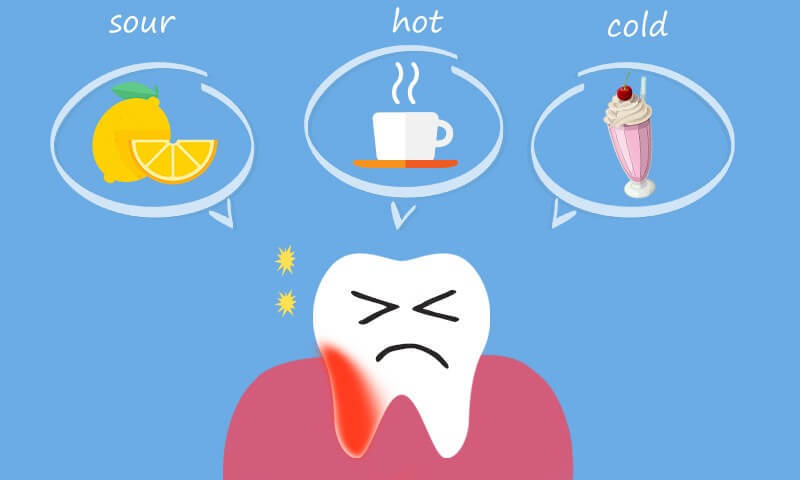
Symptoms of Tooth Sensitivity
Tooth sensitivity after a filling can manifest in several ways, including:
- Sharp pain or discomfort when consuming hot or cold foods and beverages
- Sensitivity while biting down or chewing
- Discomfort when exposing the tooth to air
- Prolonged pain that lingers after triggers are removed
If you experience these symptoms, it’s essential to consult with your dentist to identify the underlying cause.
Remedies for Tooth Sensitivity After Filling
While tooth sensitivity can be bothersome, there are several remedies that can help minimize discomfort:
1. Over-the-Counter Pain Relief
Non-prescription pain relievers such as ibuprofen or acetaminophen can help manage sensitivity. Always consult with a healthcare professional before taking any medication to ensure it is appropriate for your situation.
2. Desensitizing Toothpaste
Using a desensitizing toothpaste specifically formulated for sensitive teeth can help. These products contain compounds that block the transmission of sensations from the tooth surface to the nerve, providing relief over time.
3. Good Oral Hygiene Practices
Maintaining proper oral hygiene is vital. Gently brush your teeth twice a day with a soft-bristled toothbrush and practice flossing daily to keep the surrounding gums healthy, which can also reduce sensitivity.
4. Avoiding Triggers
For the initial days or weeks after a filling, it may be beneficial to avoid particularly hot, cold, or sweet foods and beverages that can exacerbate tooth sensitivity. Opt for softer foods that are less likely to trigger discomfort.
5. Fluoride Treatments
Consulting your dentist about fluoride treatments can be beneficial. Fluoride helps strengthen tooth enamel and can promote recovery from sensitivity.
6. Follow-Up Appointment
If sensitivity persists beyond a few weeks or worsens instead of improving, schedule a follow-up appointment with your dentist. They can assess the filling and determine if any adjustments or additional treatments are necessary.

When to Consult Your Dentist
While some sensitivity is normal after a filling, certain signs warrant a visit to your dentist. These include:
- Persistent sensitivity lasting more than a few weeks
- Severe pain that interferes with daily activities
- Sensitivity accompanied by swelling or fever
- Discoloration or visible changes in the filling
Timely consultation can help address underlying issues and prevent complications.
Preventing Tooth Sensitivity After Filling
Preventive measures play a crucial role in minimizing the risk of sensitivity following a filling:
-
Choose a Qualified Dentist: Ensure that your dental work is performed by a qualified and experienced dentist. A skilled professional can minimize trauma to the tooth and surrounding areas during the procedure.
-
Discuss Concerns: If you have prior experience with sensitivity, communicate this to your dentist before the procedure. They may adjust their approach to accommodate your concerns.
-
Regular Dental Check-Ups: Routine dental visits can help identify potential issues early, allowing for timely intervention and treatment.
Conclusion
Tooth sensitivity after filling is a common experience that can be managed with understanding and the right strategies. By recognizing the causes and implementing remedies, individuals can navigate this temporary discomfort effectively. Regular communication with your dentist and adherence to good oral hygiene practices can significantly improve recovery and overall dental health. If sensitivity persists or concerns arise, it’s essential to consult with your dental professional to ensure optimal care.