

Understanding the Anatomical Crown: Structure, Function, and Importance
In the field of dentistry, understanding the anatomy of teeth is vital for effective diagnosis and treatment. Among the various components of a tooth, the anatomical crown holds significant importance. This article will provide a comprehensive overview of the anatomical crown, detailing its structure, function, and its relevance in dental health.
What is the Anatomical Crown?
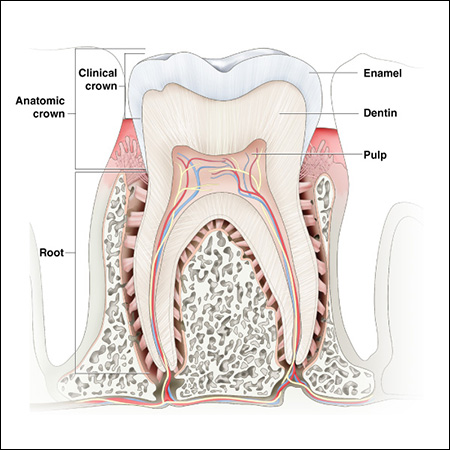
The anatomical crown refers to the visible part of the tooth that is covered by enamel. Unlike the clinical crown, which can vary due to factors such as gum recession, the anatomical crown is determined by the tooth's structure itself. It includes the entire portion of the tooth that is above the gum line.
Structure of the Anatomical Crown
The anatomical crown consists of several key layers:
-
Enamel: This is the outermost layer of the anatomical crown and is the hardest substance in the human body. Enamel is primarily made of hydroxyapatite, a crystalline structure that provides strength and protection to the underlying tooth tissue. It plays a critical role in protecting the tooth from decay and physical wear.
-
Dentin: Underneath the enamel lies dentin, a softer and less mineralized tissue compared to enamel. Dentin makes up the bulk of the tooth and is more sensitive to temperature changes and pressure. It contains tiny tubules that connect to the pulp, which is rich in nerves and blood vessels.
-
Pulp: The pulp chamber is located at the center of the tooth and contains the dental pulp. This is the living part of the tooth, which is essential for its vitality. It supplies nutrients to the tooth and provides sensory functions.
-
Cementum: While cementum is technically not part of the anatomical crown, it is important for understanding tooth structure. Cementum covers the root of the tooth and helps anchor it to the jawbone.
>>> See more: https://dentalinvietnam.com/anatomical-crown/
Function of the Anatomical Crown
The anatomical crown plays several critical roles in dental health and functionality:
1. Protection
The enamel layer serves as a protective barrier against physical damage and erosion from acids produced by bacteria in the mouth. Its hardness helps resist dental caries (cavities), a common dental problem.
2. Aesthetic Appearance
The anatomical crown contributes to the aesthetic appearance of a person's smile. The color, shape, and alignment of the crowns of the teeth play a significant role in overall dental aesthetics.
3. Mastication
The structure of the anatomical crown allows for efficient chewing and breakdown of food. The cusps on molars, for example, facilitate grinding, while the smoother surfaces of incisors assist in cutting.
4. Speech
The anatomical crown also contributes to clear speech. The position and function of the teeth can affect pronunciation and sound production.
Importance of the Anatomical Crown in Dental Health
Understanding the anatomical crown is essential for several reasons:
1. Preventive Care
Regular dental check-ups enable dentists to monitor the condition of the anatomical crown. They can identify problems such as enamel erosion or decay early, allowing for prompt treatment.
2. Restorative Procedures
In cases where the anatomical crown has been damaged or decayed, restorative dentistry procedures such as crowns, fillings, or veneers may be necessary. Understanding the anatomy helps dentists design appropriate treatment plans.
3. Orthodontics
In orthodontics, knowledge of the anatomical crown is crucial for planning treatment to align teeth correctly. Misalignment can impact the function and aesthetics of the anatomical crown.
Common Issues Related to the Anatomical Crown
Several dental issues can affect the anatomical crown:
1. Cavities
Dental caries occur when harmful bacteria create acids that demineralize the enamel. This can lead to cavities, which may extend into the dentin if not treated timely.
2. Enamel Erosion
Erosion can result from factors such as acidic foods, beverages, or inadequate fluoride exposure. This weakens the enamel, making the anatomical crown more susceptible to decay and sensitivity.
3. Tooth Sensitivity
Sensitivity may arise from enamel wear or gum recession that exposes dentin. This condition can be aggravated by hot or cold foods and beverages, leading to discomfort.

Maintaining a Healthy Anatomical Crown
To keep your anatomical crown in optimal condition, consider the following practices:
1. Good Oral Hygiene
Daily brushing and flossing are crucial for maintaining healthy enamel and preventing cavities. Use fluoride toothpaste to strengthen enamel and protect against decay.
2. Regular Dental Visits
Schedule biannual dental check-ups for professional cleanings and examinations. Your dentist can detect potential problems early and provide appropriate care.
3. Dietary Choices
Limit sugary snacks and acidic foods that can erode enamel and contribute to cavities. Focus on a balanced diet rich in nutrients to support dental health.
4. Fluoride Treatments
Consult with your dentist about fluoride treatments that can provide additional protection for your enamel.
The anatomical crown is a vital component of dental health, playing key roles in protection, aesthetics, and functionality. Understanding its structure and significance enables individuals to take proactive steps towards maintaining their oral health. With proper care and regular dental visits, the anatomical crown can remain healthy throughout your life, contributing to a radiant smile. Whether you’re undergoing preventive care or restorative procedures, knowledge of the anatomical crown will always serve as a cornerstone of effective dental health management.
