

When Were Braces Invented? A Historical Overview of Orthodontics
The journey to achieving a perfect smile has a long and fascinating history. Many of us today see braces as a modern dental solution, but the truth is that orthodontic treatment dates back thousands of years. If you've ever wondered, "When were braces invented?" you’re not alone. Understanding the timeline of braces and their evolution not only enhances our appreciation of modern orthodontics but also illustrates the ingenuity of dental care throughout history.
The Origins of Orthodontics
The concept of straightening teeth isn't a modern phenomenon. Evidence suggests that ancient civilizations were making attempts to align teeth as far back as 2000 B.C. Archaeologists discovered mummified remains in Egypt with metal bands wrapped around their teeth, indicating early forms of orthodontic devices. These bands were made from materials such as gold and could serve to align teeth, even if their effectiveness was rudimentary by today’s standards.
>>> See more: https://dentalinvietnam.com/the-history-of-braces/
The Ancient Greeks and Romans
The Greeks and Romans also contributed to the development of orthodontic techniques. Hippocrates and Aristotle wrote about the alignment of teeth and jaws, and Roman philosopher Celsus even described methods for straightening teeth. However, it wasn't until the 18th century that more formal practices began to emerge.
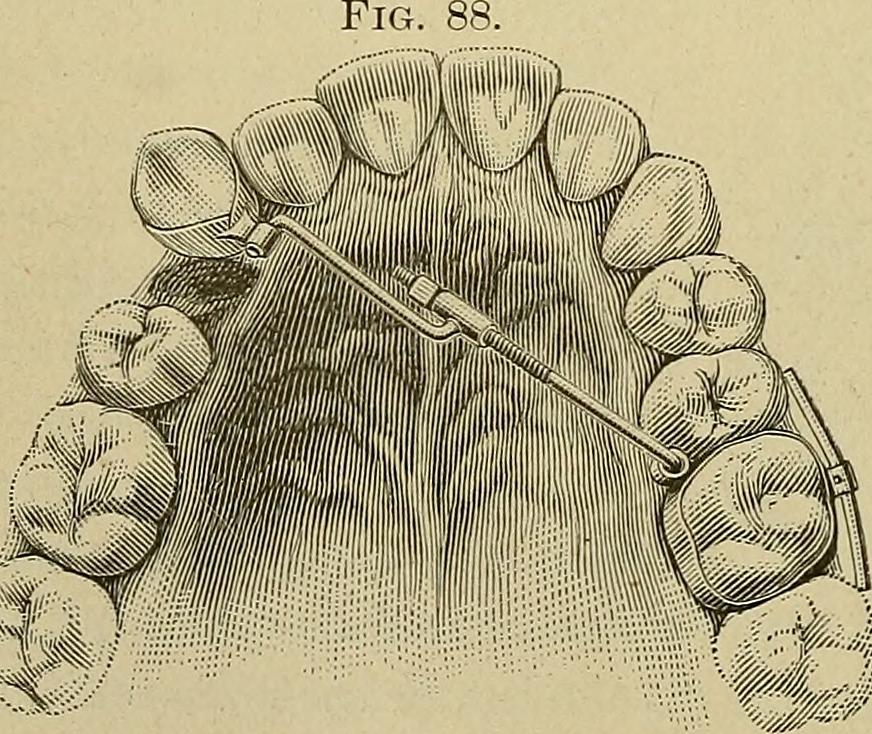
The 18th Century: The Birth of Modern Orthodontics
The term "orthodontics" itself comes from the Greek words "ortho," meaning straight, and "dontos," meaning teeth. The field really began to take shape in the late 1700s:
1. Pierre Fauchard (1728)
Often referred to as the "father of modern dentistry," French dentist Pierre Fauchard published a groundbreaking book, "The Surgeon Dentist," in 1728. In it, he outlined the concepts and techniques for straightening teeth. He used devices made from gold and other materials to apply pressure to the teeth and gradually align them.
2. Joseph Fox (1819)
Fast forward to the 19th century, Joseph Fox introduced the term "orthodontics" in his writings. He emphasized the importance of fitting teeth properly for both aesthetic and functional purposes, paving the way for future innovations in orthodontic treatment.
The 19th Century: Mechanical Advancements
The 1800s saw significant advancements in the materials and techniques used for braces:
1. Edward Angle (1890)
Often regarded as the "father of modern orthodontics," Edward Angle made significant contributions in the late 19th and early 20th centuries. He developed what is known as "Angle's classification," which categorizes dental bite relationships. His work laid the foundation for the creation of standardized treatment protocols.
Angle also invented the first widely used braces, known as "Edgewise appliances," in 1890. These braces featured brackets that could be adjusted to align the patient’s teeth more effectively.
The 20th Century: The Evolution of Braces
The 20th century brought about drastic changes in orthodontic treatment. The introduction of new materials and technology improved both the effectiveness and comfort of braces.
1. The 1920s: Stainless Steel
By the 1920s, orthodontics saw the introduction of stainless steel, which replaced gold and other softer metals as the primary material for braces. Stainless steel provided increased strength and durability, enhancing treatment outcomes.
2. The 1970s: Invisible Braces
The concept of aesthetic braces began to take shape in the late 20th century. Materials like ceramic and plastic were developed, making braces less noticeable. Moreover, the advent of the first clear aligners marked the beginning of a new era in orthodontics, allowing for a more discrete treatment option.

The 21st Century: Modern Innovations
Today’s braces are a far cry from those early metal bands. In addition to traditional metal braces, patients now have access to ceramic and lingual braces as well as clear aligners, which can be tailored to fit each individual's needs. Advances in technology, like 3D printing, allow for customized solutions that improve comfort and treatment speed.
1. Digital Orthodontics
Digital technology has revolutionized orthodontics in the 21st century. 3D imaging, computer-assisted design, and simulation software allow orthodontists to plan treatment with incredible precision. This ensures that braces can be adjusted efficiently, leading to enhanced patient outcomes.
2. Accelerated Orthodontics
Procedures to speed up tooth movement and reduce the overall treatment time have emerged, allowing patients to achieve their desired results more quickly than ever before.
So, when were braces invented? Braces have a rich history that dates back thousands of years, evolving from rudimentary methods used by ancient civilizations to the sophisticated orthodontic techniques of today. The innovations in materials and technology over the centuries have transitioned braces from simple metal bands to the advanced systems used now.
Braces continue to evolve, reflecting changes in materials, technology, and understanding of dental health. As we look to the future, it’s clear that the pursuit of the perfect smile is a journey that’s been rich in history and innovation. Understanding this history enriches our appreciation for modern orthodontic practices, and helps patients make informed decisions about their dental health.
>>> See more: https://gooddentalknowledge.wordpress.com/2026/03/02/can-you-get-braces-with-missing-teeth/