


Does getting a crown hurt based on modern clinical standards?
Hello to everyone in this dental health community. I’ve been spending my evenings lately diving into various dental patient archives and international restorative boards because I’ve been told I need a full-coverage restoration on my first upper molar. While I understand the necessity of the procedure to save the tooth, my primary concern—and I’m sure many share this—is the physical experience in the chair. Specifically, I’ve been researching the question: does getting a crown hurt, and how has the advancement of local anesthesia changed that answer over the last decade? I recently found a very detailed guide that addresses these anxieties and explains the step-by-step sensations involved, which I think might be helpful for others currently in this research phase.
Read more: https://dentalinvietnam.com/does-getting-a-crown-hurt/
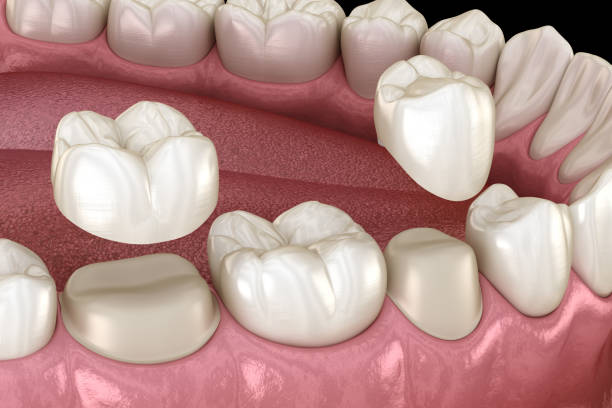
From what I’ve gathered through clinical summaries, the procedure is actually split into two distinct phases of potential sensation. There is the initial preparation, where the tooth is reduced in size, and then the second visit for final cementation. I’m curious if anyone here has found specific data on the "post-operative" phase? I found one paper suggesting that most discomfort doesn't happen during the drilling, but rather a few hours later when the numbing agent wears off. Have any of you experienced significant "zingers" with your temporary crowns?
Investigating the Role of Local Anesthesia and Nerve Response
One of the most important things I've learned from dental organizations like the American Dental Association (ADA) is that the safety of the pulp during a crown prep depends heavily on the cooling system of the handpiece. If the dentist uses enough water, the nerve doesn't get overheated. This seems to be a huge factor in the answer to does getting a crown hurt. If the tooth stays cool, the nerve remains calm. I am wondering about the role of "pre-numbing" gels. Do they actually make a difference for the initial injection, or is it mostly psychological?
I’ve also been looking into the role of oral hygiene in the weeks leading up to the appointment. There is a common theory that if your gums are already inflamed, the procedure will be more sensitive because the tissue is more prone to bleeding and irritation. However, the research I’ve found says that a professional scaling a week before can significantly improve the comfort level. For those who are also looking into standard maintenance like professional hygiene to prepare for restorative work, this resource was quite enlightening:
See more: https://purelifestylehub.blogspot.com/2026/01/the-neurophysiology-of-prosthodontic.html
I’m really trying to weigh the trade-offs of different sedation levels. Is "laughing gas" worth the extra cost for a simple crown, or is local numbing usually enough for most of you? I’ll keep updating this thread as I find more clinical whitepapers on restorative anxiety management. I think it is vital we build a collective knowledge base so that anyone facing major dental work has a clear set of expectations for their comfort and long-term health.
Community Note: The information shared in this discussion is for educational and research purposes only and does not constitute medical advice. Every person's pain threshold and nerve anatomy are unique. Always consult with a licensed dentist to discuss your specific anesthesia needs.
