

Black Gum Line Around Crown: Causes, Solutions, and When to See a Dentist
Finding a black line at the gum line of your dental crown can be alarming. You invested time and money into a procedure to improve your smile, only to be met with an unsightly dark edge where your tooth meets your gums. While this is a relatively common dental concern, understanding why it happens is the first step toward fixing it.
In this guide, we will explore the common causes of a black gum line around crown, how to determine if it’s a cosmetic issue or a health concern, and the available treatment options to restore your smile.
What Causes a Black Gum Line Around a Crown?
A dark line appearing at the gum margin is rarely caused by just one thing. It is usually the result of the materials used in the crown, the health of your gums, or the natural aging process of the tooth structure. Here are the most frequent culprits:
1. Metal-Based Crowns (PFM Crowns)
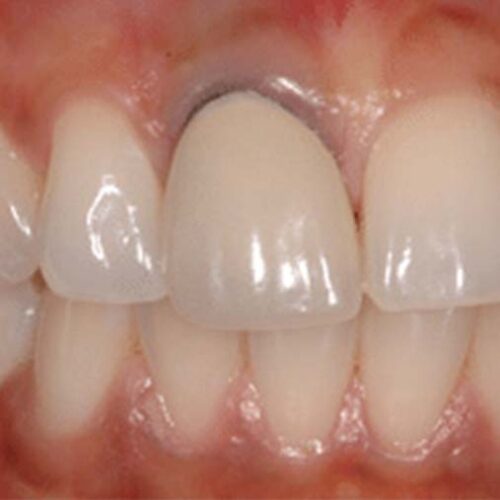
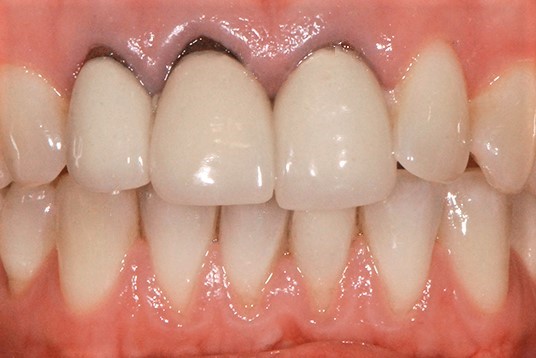
The most common cause of a dark line is the use of Porcelain-Fused-to-Metal (PFM) crowns. These crowns consist of a metal core (often nickel, chromium, or cobalt) covered by a layer of porcelain to match your natural tooth color. Over time, as the gum tissue naturally recedes, the metal base of the crown becomes exposed. Because the metal is dark, it creates the appearance of a black line at the gum line.
2. Gum Recession
Gum recession is a natural process where the gum tissue pulls away from the tooth, exposing the tooth root. If you have a crown, recession exposes the margin where the crown meets the tooth structure. Even with high-quality crowns, if the gum recedes, the junction between the crown and the tooth can become visible, often appearing as a dark shadow or line.
3. Tooth Decay at the Margin
Sometimes, the black line isn't metal—it’s decay. If bacteria accumulate at the edge of the crown where it meets the natural tooth, it can cause recurrent decay. This decay often appears dark or black and can be a sign that the seal of your crown is compromised.
4. Thin Gum Tissue
Some individuals naturally have thinner gum tissue. If your gums are thin, the underlying structure of the tooth or the crown material is more likely to show through, creating a dark appearance even if there is no significant recession or metal involved.
5. Oxidation or Staining
In some cases, the metal used in the crown can oxidize over time, or the tooth structure underneath the crown can become stained. If the porcelain on the crown is thin or translucent, these dark underlying colors can show through the gum tissue.
>>> See more: https://dentalinvietnam.com/black-gum-line-around-crown/
Is a Black Gum Line Dangerous?
Not necessarily, but it should always be evaluated.
- Cosmetic Concern: If the black line is simply the metal base of a PFM crown and your gums are healthy, it is primarily a cosmetic issue. It does not necessarily mean your crown is failing or that your tooth is unhealthy.
- Health Concern: If the black line is accompanied by swelling, bleeding, pain, or sensitivity, it may indicate recurrent decay or gum disease (periodontitis). If the seal of the crown is broken, bacteria can enter the space between the tooth and the crown, leading to infection.
When to see a dentist: If you notice the line appearing suddenly, if it feels rough to the touch, or if you experience any discomfort, schedule an appointment immediately.
How to Fix a Black Gum Line Around a Crown
Depending on the cause, your dentist will recommend one of several solutions to restore your smile.
1. Replacing the Crown with All-Ceramic or Zirconia
If the cause is the metal base of a PFM crown, the most effective solution is to replace the crown with an all-ceramic or zirconia restoration. These materials are metal-free and mimic the translucency of natural teeth. Because they do not have a dark metal core, they eliminate the risk of a black line appearing if the gums recede slightly in the future.
2. Gum Grafting
If your black line is caused by significant gum recession, your dentist or a periodontist might recommend a gum graft. This procedure involves taking tissue from another part of your mouth and grafting it over the exposed area. This not only hides the dark line but also protects the exposed root surface from sensitivity and decay.
3. Deep Cleaning (Scaling and Root Planing)
If the black line is caused by plaque and tartar buildup (which can look dark or black) or early-stage gum disease, a professional deep cleaning can resolve the issue. By removing the bacteria trapped at the margin, you can reduce inflammation, which may allow the gums to heal and cover the margin more effectively.
4. Crown Lengthening
In some cases, the gum line is uneven, making the margin of the crown more visible. A procedure called crown lengthening can reshape the gum tissue to create a more uniform and aesthetic appearance.
Prevention: Can You Stop the Black Line?
While some causes, like natural aging and recession, are difficult to prevent entirely, you can significantly reduce your risk of developing a black gum line:
- Prioritize Oral Hygiene: Brush twice a day and floss daily. Use an interdental brush or water flosser to ensure you are cleaning the area where the crown meets the gum. This prevents plaque buildup, which is a leading cause of gum recession and decay.
- Choose Metal-Free Crowns: If you are getting a new crown, discuss options with your dentist. Opting for zirconia or lithium disilicate (E-max) crowns from the start eliminates the risk of metal showing through.
- Regular Dental Checkups: Routine exams allow your dentist to catch gum recession or decay early. Early intervention is always easier and less expensive than waiting until the problem becomes visible.
- Avoid Aggressive Brushing: Brushing too hard can accelerate gum recession. Use a soft-bristled toothbrush and gentle, circular motions.
A black gum line around crown is a common issue that often stems from the materials used in older crown technology or the natural progression of gum recession. While it is frequently a cosmetic concern, it is vital to have it checked by a dental professional to rule out decay or periodontal disease.
Modern dentistry offers excellent, aesthetic solutions like all-ceramic crowns that can completely restore your smile. Don't let a dark line make you self-conscious—schedule a consultation with your dentist to discuss the best path forward for your oral health and your confidence.
Frequently Asked Questions (FAQ)
Q: Will insurance cover replacing a crown just for cosmetic reasons?
A: Generally, dental insurance covers crown replacement if it is medically necessary (e.g., the crown is fractured, or there is decay underneath). If the replacement is purely for aesthetic reasons, insurance may not cover it. It is best to check with your provider and ask your dentist to document any underlying health issues.
Q: Can I whiten a crown to get rid of the black line?
A: No. Whitening treatments (bleaching) only work on natural tooth enamel. They will not change the color of the porcelain or the metal base of a crown. In fact, whitening your natural teeth might make the contrast between your teeth and the dark crown margin even more noticeable.
Q: How long do crowns usually last before they need to be replaced?
A: With good oral hygiene, a high-quality crown can last 10 to 15 years or longer. However, the lifespan depends on the material, your oral habits (like grinding your teeth), and how well you maintain your gum health.
>>> See more: https://gooddentalknowledge.wordpress.com/2025/12/02/how-long-do-porcelain-crowns-last-a-comprehensive-guide/
