

Chipped Porcelain Crowns: Causes, Solutions, and What You Need to Do
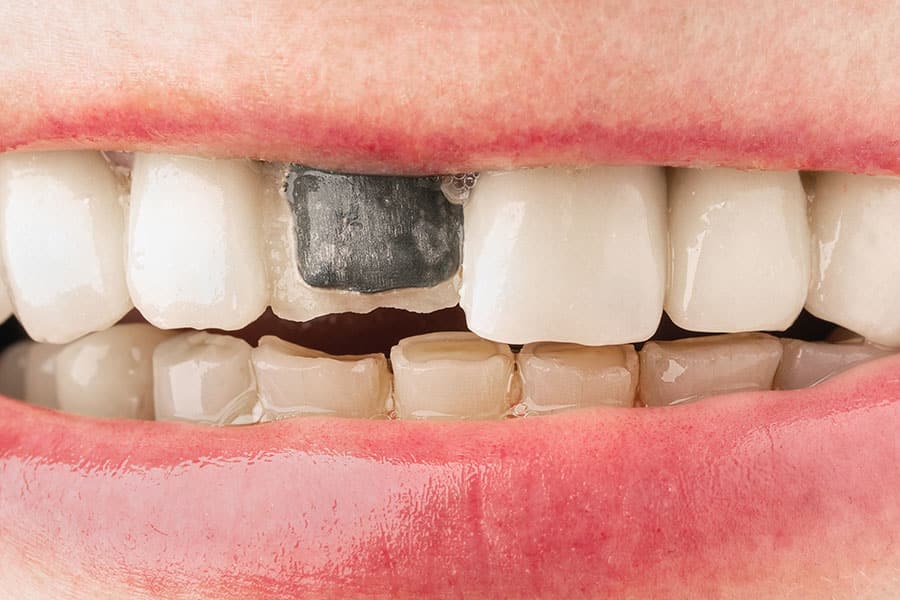
A beautiful, confident smile is often the result of restorative dentistry. Porcelain crowns are a gold standard in dental restoration, prized for their natural appearance and durability. However, even the strongest dental materials are not invincible. If you have recently noticed a crack or a piece missing from your tooth restoration, you might be dealing with chipped porcelain crowns.
Finding a chip in your dental work can be alarming, but it is a common issue that dentists handle regularly. In this guide, we will explore why porcelain crowns chip, what steps you should take immediately, and the various treatment options available to restore your smile.
Why Do Porcelain Crowns Chip?
Porcelain is a ceramic material that mimics the translucency and strength of natural tooth enamel. While it is highly resistant to staining and decay, it can be brittle under specific types of pressure. Understanding the causes of chipped porcelain crowns is the first step toward prevention.
1. Excessive Bite Force (Bruxism)
One of the leading causes of damage to dental crowns is bruxism, or teeth grinding. If you clench or grind your teeth while sleeping, the constant, uneven pressure can cause micro-fractures in the porcelain, eventually leading to a chip.
2. Chewing on Hard Objects
Porcelain crowns are designed to withstand the forces of chewing food, but they are not designed to be tools. Habits like chewing ice, biting fingernails, opening packages with your teeth, or crunching on popcorn kernels can exert sudden, high-impact force that causes the porcelain to crack or chip.
3. Aging and Wear
Dental crowns are durable, but they are not permanent. Over time, the materials can experience "fatigue." As the crown ages, the bond between the porcelain and the underlying structure may weaken, making the crown more susceptible to damage from everyday use.
4. Poor Fit or Improper Bite Alignment
If a crown was not fitted perfectly, or if your bite (occlusion) is misaligned, certain areas of the crown might bear more pressure than others. This uneven distribution of force can lead to premature wear and chipping.
>>> See more: https://dentalinvietnam.com/chipped-tooth-crown/
What to Do If You Have a Chipped Porcelain Crown
If you discover a chip, don't panic. While it is rarely a life-threatening emergency, it is a dental priority. Here is your step-by-step action plan:
1. Assess the Situation
Run your tongue over the area. Is the chip sharp? Is the tooth sensitive to hot or cold? If the chip is jagged, it can irritate your tongue or cheek. You can use a bit of orthodontic wax (available at most pharmacies) to cover the sharp edge and protect your soft tissues.
2. Practice Good Oral Hygiene
Continue to brush and floss gently around the area. Keeping the tooth clean is vital, as the exposed underlying material (or the natural tooth structure beneath the crown) may be more susceptible to decay.
3. Avoid Hard Foods
Until you see your dentist, avoid chewing on the side of your mouth where the chip is located. Steer clear of sticky, hard, or crunchy foods that could worsen the fracture.
4. Schedule a Dental Appointment
Even if the chip seems minor, you should contact your dentist. A small chip can quickly become a larger fracture, potentially compromising the structural integrity of the entire crown.
Treatment Options for Chipped Porcelain Crowns
When you visit your dentist, they will evaluate the size, location, and cause of the chip. Based on their assessment, they will recommend one of the following solutions:
1. Smoothing and Polishing
If the chip is superficial and very small, the dentist may simply smooth out the rough edges and polish the porcelain. This removes the sharp texture and prevents further cracking, though it does not restore the original shape of the tooth.
2. Dental Bonding
For small to medium chips, dental bonding is a popular, cost-effective solution. The dentist applies a tooth-colored composite resin to the chipped area, shapes it to match your natural tooth contour, and hardens it with a special light. This is a quick, same-day procedure.
3. Crown Replacement
If the chip is significant, affects the biting surface, or exposes the underlying metal or tooth structure, the crown will likely need to be replaced. While this is a larger investment, it is often the most reliable way to ensure the long-term health and aesthetics of your smile. Modern dentistry offers options like Zirconia or E-max crowns, which are even more resistant to chipping than traditional porcelain-fused-to-metal crowns.
4. Porcelain Veneers (In Specific Cases)
If the chip is on a front tooth and the crown itself is otherwise structurally sound, a dentist might sometimes suggest a veneer to cover the aesthetic imperfection, though this is less common than replacing the crown.

How to Prevent Future Chipping
Prevention is always better than cure. Once your crown is repaired or replaced, take these steps to protect your dental investment:
- Wear a Night Guard: If you have a history of grinding your teeth, ask your dentist about a custom-made night guard. This simple appliance protects your crowns (and natural teeth) from the destructive forces of bruxism.
- Mind Your Habits: Stop using your teeth as tools. Never use them to open plastic packaging, cut thread, or hold objects.
- Maintain Regular Checkups: Routine dental visits allow your dentist to spot micro-fractures before they become full-blown chips. They can also check your bite alignment to ensure your crowns aren't under unnecessary stress.
- Choose the Right Material: If you are prone to chipping, discuss material options with your dentist. Some newer ceramic materials, such as monolithic zirconia, offer exceptional strength compared to traditional porcelain.
A chipped porcelain crown is a manageable issue, but it requires prompt attention to prevent further damage. By understanding why these chips occur and working closely with your dental professional, you can ensure your smile remains healthy, functional, and beautiful for years to come.
If you are currently dealing with a chipped crown, don't wait for the problem to escalate. Schedule an appointment with your dentist today to discuss the best repair option for your specific needs. Your smile is worth the care!
