


Botox Working Out After: How Long Should You Really Wait?
If you’ve just had Botox injections, you’re probably asking: when can I return to my regular workout routine? Timing matters because exercise increases blood flow, raises heart rate, and changes facial muscle activity — all of which can affect bruising, swelling, and the tiny theoretical risk of product migration. This SEO‑optimized guide explains evidence‑based timelines, exercise types to avoid, and practical aftercare tips to protect your results.
Why Waiting After Botox Is Recommended
Botox (onabotulinumtoxinA) works by blocking nerve signals to targeted muscles. Immediately after injection, the tiny droplets of product remain in the local tissue before uptake at the neuromuscular junction. Exercise increases circulation and raises interstitial fluid pressure, which can theoretically spread the product or worsen bruising. Waiting allows injection sites to settle, reduces bleeding risk, and helps ensure predictable results.
https://aestheticsurgeryvietnam.com/botox-working-out-after
Recommended Waiting Times
- Minimum: 24 hours. Most clinicians advise avoiding strenuous exercise for at least 24 hours after Botox. This includes high‑intensity interval training (HIIT), heavy weightlifting, and vigorous cardio that significantly raises heart rate and blood pressure. - Preferred: 48 hours. Waiting 48 hours is safer for patients who bruise easily, are on blood thinners, or received multiple or extensive injection sites. - Conservative: 72 hours. After combined procedures (fillers, microneedling, lasers) or when treating large areas (masseter, full face), providers may recommend refraining from intense exercise for 72 hours to reduce swelling and bleeding risk.
Which Exercises to Avoid Initially
- High‑intensity cardio (sprinting, spin classes, HIIT) — raises heart rate and blood pressure. - Heavy resistance training (squats, deadlifts, heavy bench) — increases intrathoracic pressure and facial vascular flow. - Hot yoga, Bikram, saunas, and steam rooms — prolonged heat exposure increases vasodilation and swelling. - Activities that require bending forward or straining (inverted yoga poses) — these change facial blood flow and may increase bruising risk.
Low‑Risk Activities You Can Do Sooner
- Light walking at a comfortable pace — typically safe within hours after treatment, provided you feel fine. - Gentle stretching, low‑intensity yoga (non‑inverted), and light household chores — often acceptable after the first day, but avoid positions that press on treated areas. - Low‑intensity stationary cycling or casual swimming at a comfortable pace — consider waiting 24 hours if you had facial injections or combined treatments.
Practical Aftercare Tips for Exercisers
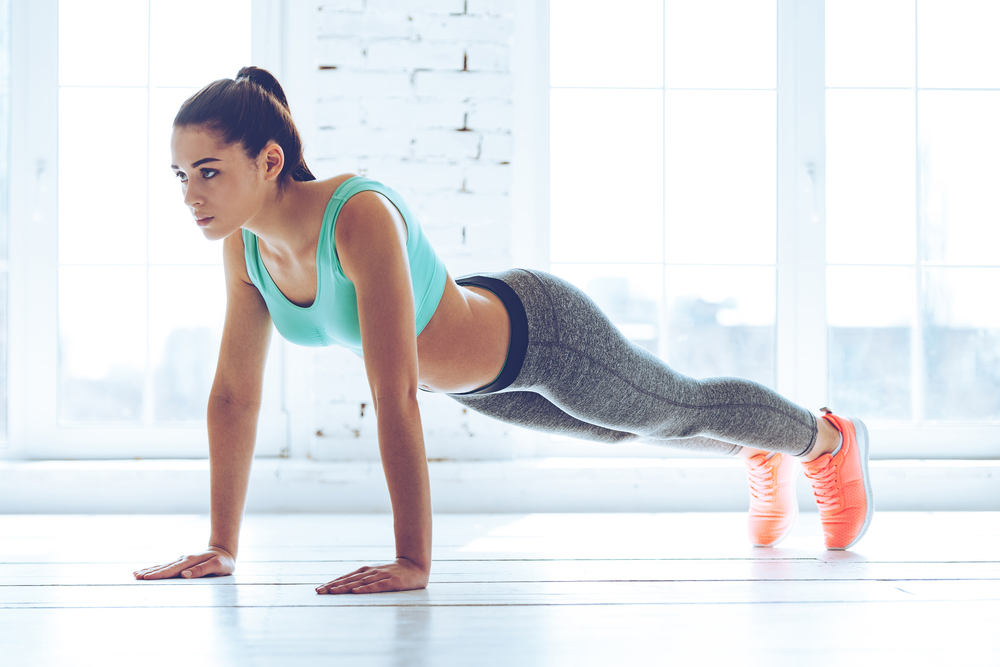
- Wait at least 24 hours before returning to strenuous exercise; extend to 48–72 hours if advised by your provider. - Avoid rubbing, massaging, or applying pressure to treated areas before and after workouts. - Keep hydrated and avoid alcohol for 24–48 hours to reduce bruising risk. - Use cold compresses intermittently (short durations) if you notice mild swelling or bruising — don’t apply strong pressure. - Sleep with your head elevated the first night if you’re concerned about swelling. - Tell your trainer or gym partner you’ve had injections so they can avoid exercises that risk direct face contact.
Special Considerations
- Combined procedures: If you had fillers, microneedling, or laser treatments alongside Botox, follow the most conservative aftercare recommendations—often avoiding strenuous exercise for 72 hours. - Blood thinners and easy bruisers: If you take anticoagulants or have a tendency to bruise, extend your exercise pause and check with your provider. - Extensive treatments: For full‑face or multi‑site Botox treatments (e.g., masseter and neck), individualized guidance from your injector may recommend longer avoidance of exertion.
When to Contact Your Provider
Seek medical advice if you experience severe or increasing pain, expanding bruising, signs of infection (fever, pus, spreading redness), or unexpected muscle weakness like drooping eyelid or facial asymmetry. Early evaluation helps manage complications and protect your results.
https://sites.google.com/view/aestheticsurgery/Categories/dermal-filler/Botox-Nose-Lift
Conclusion
“Botox and working out: how long should you really wait?” — aim to avoid strenuous exercise for at least 24 hours, prefer 48 hours if you bruise easily or had extensive treatment, and consider 72 hours after combined procedures. Follow gentle activity recommendations, avoid heat and heavy lifting, and adhere to your provider’s personalized aftercare to ensure optimal results and a smooth recovery. Would you like a printable post‑Botox workout timeline to bring to your gym bag?
