

Investigating the long-term aesthetic success of porcelain crowns front teeth – What should we ask our dentists?
Hello everyone in the Dental Health community. I’ve been spending quite a few evenings lately diving into various aesthetic dentistry archives and international patient boards because I’m currently helping a family member research restorative options for their smile. A term that keeps appearing with high frequency in both clinical journals and forum discussions is porcelain crowns front teeth. While the visual transformation in "before and after" photos is often breathtaking, I am more interested in the underlying structural requirements and the clinical longevity of these restorations when they are placed in the high-pressure "incisal" zone. I recently found a very detailed guide that addresses these specific scenarios, which I think might be helpful for others in this research phase:
Read more: https://dentalinvietnam.com/porcelain-crowns-front-teeth/
From what I’ve gathered through my reading, the "incisal" edge of a front tooth is subject to complex shear forces that differ significantly from the vertical crushing forces of our molars. When someone opts for porcelain crowns front teeth, the material choice—whether it be Lithium Disilicate or a layered Zirconia—becomes a critical factor in preventing future fractures. I am curious if anyone here has found specific data on the "failure-to-rescue" rates of front-facing ceramics over a ten-year span? I found one paper suggesting that the artistry of the lab technician is just as important as the dentist's preparation.
Analyzing the Visual Integration of Anterior Restorations
One of the most important things I've learned from dental organizations like the American Dental Association (ADA) is that a stable "occlusion" (your bite) is the most critical factor for any aesthetic work. If you are considering porcelain crowns front teeth, the dentist must ensure that your lower teeth aren't "pounding" against the back of the new crowns. I am wondering about the role of diagnostic wax-ups in these cases. Does seeing a 3D model of the proposed result actually help in achieving a better functional outcome, or is it mostly for the patient's visual comfort?
I’ve also been looking into the role of oral hygiene in preparing for these high-end restorations. There is a common theory that if you have inflamed gums, the "margin"—the line where the crown meets the tooth—will never look natural. The research I’ve found says that a professional cleaning is absolutely necessary before even thinking about taking impressions. For those who are also looking into standard maintenance like professional hygiene to ensure their mouth is in peak condition for a new smile, this resource was quite enlightening:
See more: http://smilenote-501d26.webflow.io/blog/does-getting-a-crown-hurt
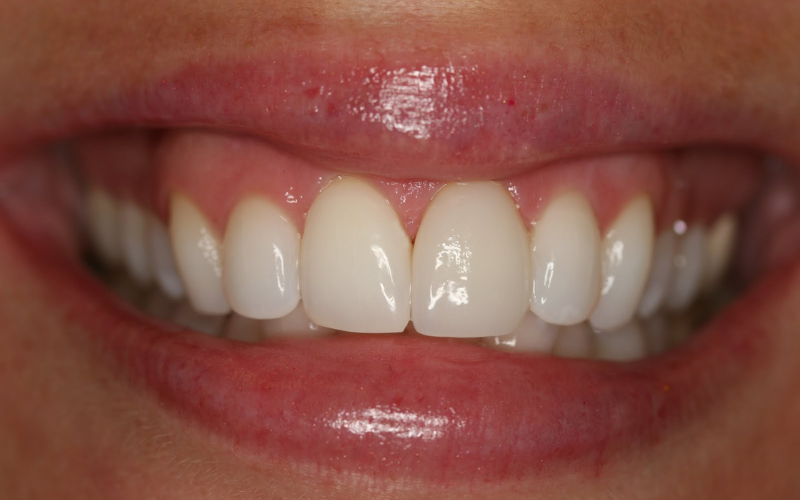
I’m really trying to weigh the trade-offs of different ceramic tiers. Is the translucency of E-max worth the slightly lower strength compared to monolithic options? If you have porcelain crowns front teeth on your mind, how do you decide between "natural" and "bleach white" shades? I’ll keep updating this thread as I find more clinical whitepapers on restorative and aesthetic stability. I think it is vital we build a collective knowledge base so that anyone facing a smile makeover has a clear set of expectations for their future journey.
Health Note: The information shared in this discussion is for community research and educational purposes only. It does not constitute medical advice. Every person's dental anatomy is unique, and results vary. Always consult with a licensed professional to determine the best treatment for your specific oral health needs.
