


238 x 160
7 Signs Your Home Needs a Fresh Coat of Paint
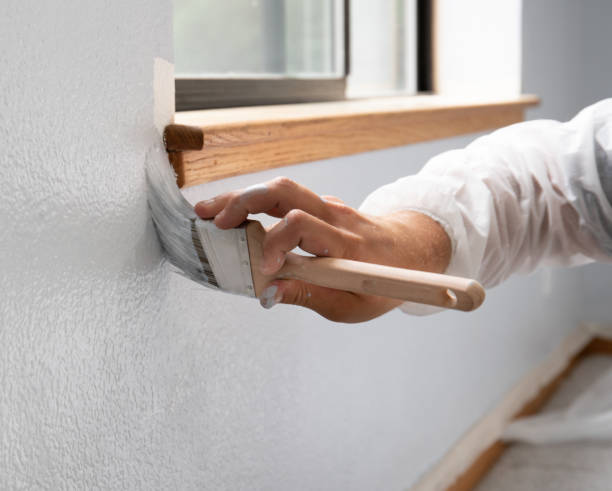
Most homeowners don't think about paint until something looks obviously wrong. But by the time a wall looks truly bad, the damage underneath has usually been building for months. Peeling edges, chalky siding, hairline cracks along the trim, a weird yellowish stain spreading near the ceiling. These aren't just cosmetic annoyances. They're your house telling you something's failing. If you've been staring at a wall lately wondering whether it's time, this article walks you through seven specific things to look for. And if you're in the northern Denver metro area, connecting with Dependable Painters in Thornton early can save you from a much bigger repair bill down the road.
Paint does more than make a room look nice. According to paint's role as a protective coating, properly applied paint acts as a barrier against moisture, UV radiation, and physical wear. When that barrier breaks down, surfaces underneath start taking the hit directly.
1. Peeling, Bubbling, or Flaking Paint
This one's hard to ignore. You'll see it near windows, around bathroom walls, along the base of exterior siding. Peeling paint almost always points to moisture. Either water got behind the paint film, or humidity inside the wall pushed outward and broke the adhesion. Either way, slapping new paint on top without fixing the source won't work. It'll peel again within a year.
Bubbling is slightly different. Those little raised blisters usually mean moisture was trapped during the original application, or that the surface wasn't clean when it was painted. Pop one. If there's liquid inside, you've got an active leak somewhere nearby. Dry bubbles are usually an old adhesion failure, which is easier to deal with but still needs proper prep before repainting.
2. Fading and Chalking on Exterior Surfaces
Run your hand along an exterior wall. If your palm comes away with a powdery white residue, that's chalking. It's a normal part of how paint ages, but heavy chalking means the paint film has broken down pretty far. UV exposure and temperature swings break apart the resin that holds pigment together, and what's left just crumbles off slowly. Faded color is the first warning. Chalking is the next stage.
Exterior paint on a sun-facing wall typically lasts five to seven years depending on the product and climate. Colorado's high-altitude sun hits harder than most people expect. If your home's south or west walls look noticeably lighter than the shaded sides, that's not just uneven aging. That's a surface that's lost its protective ability and needs attention soon.
3. Cracks Along Trim, Caulk Lines, and Siding Joints
Hairline cracks look minor. They're not. Any opening in a painted surface, even a thin one, lets water in. Around trim and caulk lines especially, those tiny gaps let moisture work into the wood underneath during rain and then dry out in the heat. That repeated cycle causes wood to swell, shrink, and eventually rot. Catching cracks early is cheap. Replacing rotted trim is not.
Check the caulk bead where your siding meets window frames and door frames. Caulk shrinks and pulls away over time. If it's cracked, gapped, or missing in sections, water's been getting in. You'll want to re-caulk before repainting, not after. Painting over failed caulk just seals the gap temporarily and hides the problem from view.
4. Staining, Discoloration, or Mold on Interior Walls
Yellow or brown stains on ceilings are almost always water. The stain itself is just mineral deposits left behind as water dries, but it means there was a leak, condensation issue, or plumbing problem at some point. Paint alone won't cover it permanently. Without a stain-blocking primer, the stain bleeds right through new paint within a few weeks. Not a fun surprise after you've paid for a repaint.
Mold is a different situation entirely. Small spots of dark discoloration on bathroom walls or in corners near the floor can mean mold growth, not just surface dirt. Thornton Dependable Painters who know what they're doing won't just paint over it. They'll recommend proper treatment first, because painting over active mold only traps spores behind the wall and lets the problem keep growing.
If you're working with Dependable Painting services Thornton professionals, a good one will ask about any past leaks or moisture issues before they even quote the job. That's a sign they're thinking about the prep work, not just the paint.
5. Scuffs, Marks, and General Interior Wear
Interior paint doesn't always fail dramatically. Sometimes it just gets tired. High-traffic areas like hallways, stairwells, and around light switches accumulate years of scuffs, fingerprints, and cleaning marks. Flat and eggshell finishes especially show wear fast because they're harder to wipe clean without dulling the surface further. At some point touch-ups stop matching the faded surrounding wall and you're better off doing the whole room.
A good rule of thumb is five to seven years for interior rooms with normal use, and three to four years for kitchens, bathrooms, and kids' rooms. If you can't remember the last time a room was painted, it's probably overdue. Fresh paint in a worn room makes a bigger difference than most people expect before they see it done.
6. Paint That Looks Dull Even After Cleaning
Sometimes paint doesn't peel or crack. It just looks flat and lifeless. Dull. You clean the wall and it still looks dingy. That's often oxidation on older oil-based paints, or just the natural end of a latex paint's useful life. No amount of scrubbing fixes it. The sheen is gone because the surface layer has worn through.
This is common on older homes that haven't been repainted in ten or more years. If you're noticing it on the exterior, there's a good chance the surface is also losing its weather resistance even if it isn't visibly cracking yet. Eco Custom Painting is one option people use in this area when they want a thorough assessment before committing to a full repaint. Getting a professional eye on the surface can help you figure out whether you need a full repaint or just targeted prep work in a few spots.
7. Visible Separation or Gaps Between Surfaces
Paint bridges small gaps. But when surfaces shift, settle, or expand, that bridge breaks. You'll see it most clearly where walls meet ceilings, where trim meets drywall, or along the bottom edge of baseboards. A thin dark line where two surfaces have pulled apart isn't just an aesthetic problem. It's an opening that lets air and moisture move through your wall assembly.
Dependable Painting services Thornton pros will tell you these separations need to be filled and primed before any new paint goes on. Skipping that step means the gap shows right through the new coat. Worth doing it properly the first time.
How to Do a Quick Walk-Around Assessment
You don't need to be a contractor to spot most of these problems. Pick a dry day. Start outside and walk the full perimeter slowly, looking at each wall surface from a low angle so the light catches any texture changes. Check every window and door frame for caulk gaps. Run your hand along the siding. Then go inside and check ceilings and corners in every room, especially bathrooms and any room above a garage.
Take photos as you go. It sounds simple, but photos help you track whether something is getting worse over time and give a painter a clearer picture of what they're walking into. If you find two or three of the signs listed here, it's worth getting a quote. Finding five or more means you're probably overdue and the sooner you act, the less prep work will be needed overall.
Reaching out to Dependable Painters in Thornton with your photos in hand is a smart first step. Most painters offer free estimates, and a quick look from someone who does this every day will tell you more than a week of wondering on your own.
Frequently Asked Questions
How often should exterior paint be redone?
Most exterior paint jobs last five to ten years depending on climate, paint quality, and how well the surface was prepped. In Colorado, the intense UV and temperature swings tend to push that closer to five to seven years on sun-exposed walls.
Can I paint over mold on interior walls?
No. You need to treat the mold first, usually with a biocide or diluted bleach solution, let the surface dry fully, and then apply a stain-blocking primer. Painting over active mold traps it and lets it keep spreading behind the paint film.
What causes paint to peel on interior walls?
Moisture is the most common cause. It can come from a leak above, humidity in the room, or condensation inside the wall. Peeling can also happen when paint was applied over a dirty, glossy, or damp surface without proper prep.
Is chalking on exterior paint dangerous?
Chalking itself isn't dangerous, but it's a sign the paint film has broken down and is no longer protecting the surface underneath. Heavy chalking means it's past time to repaint, and the surface will need a good cleaning before new paint will stick properly.
Do I need to fix cracks before repainting?
Yes, always. Cracks along trim, caulk lines, or siding joints need to be filled and sealed before any new paint goes on. Painting over an open crack won't seal it for long, and water will keep getting in and making things worse underneath.