


Is a Metal Chimney Worth It? Honest Breakdown
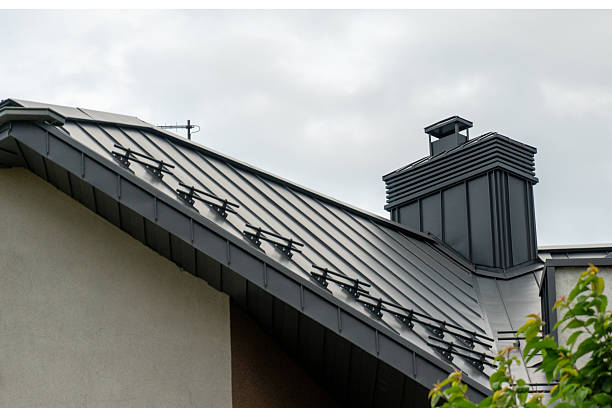
A lot of homeowners hit a wall when they're pricing out a new chimney. Masonry looks beautiful but the quotes come back eye-watering. Then someone mentions metal, and suddenly you're wondering if that's a cheap shortcut or actually a smart move. It's a fair question. Getting metal chimney installation in North Surrey done right can save you real money without cutting corners on safety, but the decision depends on a handful of things most people don't think to ask about upfront. This article breaks it all down honestly so you can figure out what actually makes sense for your home.
What Is a Metal Chimney System, Exactly?
Not all chimneys are built the same. A traditional masonry chimney is built brick by brick, usually on its own footing, and it can weigh thousands of pounds by the time it's done. A metal chimney system is completely different. It uses factory-built, insulated flue sections made from stainless or galvanized steel, assembled on-site and housed inside a chase or a lightweight exterior enclosure. No mortar. No footing. Much faster to put up.
There's also a difference between a metal chimney and a simple liner. A liner is just the inner flue tube you'd drop into an existing masonry chimney. A full metal chimney system is a standalone structure, designed to vent a wood stove, gas fireplace, or furnace from scratch. Worth knowing before you start getting quotes, because the two things aren't interchangeable.
The Real Advantages (Not Just Marketing Fluff)
Cost is the obvious one. Metal chimney systems typically run significantly less than masonry builds, sometimes by thousands of dollars, mostly because labour hours are cut way down. Installation can often be done in a day or two. Masonry work takes much longer and needs curing time on top of that.
Weight matters more than people realize. Masonry chimneys need structural support, sometimes all the way down to the foundation. Metal systems are light enough that most homes don't need any structural modifications at all. That alone can save a bunch of money on older houses or additions where the framing wasn't built to carry that kind of load.
Compatibility is another genuine win. Modern high-efficiency appliances, like condensing furnaces and certain gas inserts, produce cooler, wetter exhaust gases that can actually damage a traditional clay-lined masonry chimney over time. Metal liners and metal chimney systems handle that chemistry much better. So if you're pairing a chimney with newer equipment, metal is often the smarter technical choice, not just the cheaper one.
The Honest Limitations You Should Know
Lifespan is the biggest one to talk about plainly. A well-built masonry chimney, properly maintained, can last the life of the house and then some. Metal systems are rated for 20 to 30 years on average, depending on the grade of steel, the type of fuel burned, and how well the system is maintained. That's not bad. But it's not forever either.
Aesthetics are subjective, but they're real. Some people love the look of a brick chimney on a traditional home. A metal system inside a wood or vinyl chase doesn't have the same feel. You can dress it up, but you can't quite replicate a full masonry stack from the outside. If curb appeal is a priority for you, that's worth factoring in.
Gauge and liner selection matter a lot and are easy to get wrong. Thinner steel degrades faster, especially with wood-burning appliances that produce more creosote and higher heat fluctuations. Single-wall sections have no place in a residential install. You need double-wall insulated pipe, the right diameter for your appliance's BTU output, and a liner rated for the fuel type you're burning. A chimney installation service in North Surrey that cuts corners on spec will cause you problems down the road.
Safety, Codes, and Why Installation Quality Is Non-Negotiable
Metal chimney components in Canada need to meet specific standards. Look for products that carry a UL listing or equivalent certification. That means the system has been independently tested for temperature performance, structural integrity, and clearance tolerances. Don't let anyone talk you into unlisted components to save a few bucks. Not worth it.
Clearances are strict and specific. Metal chimney sections need to maintain set distances from combustible framing, insulation, and roofing materials throughout the entire run. Miss a clearance by even a small amount and you've got a fire hazard sitting inside your wall. According to NFPA 211, the standard for chimneys, fireplaces, vents, and solid fuel-burning appliances, clearance requirements are non-negotiable and must be verified at every penetration point.
Professional installation isn't optional here, honestly. A lot of people think metal means DIY-friendly. Some parts of it are straightforward, sure. But termination height above the roofline, flashing details, and proper support bracketing all have specific rules tied to local building codes. Getting it inspected and permitted protects you at resale too. Red Seal Chimney, Fireplace & HVAC is one company in the area that handles both the install and the code compliance side of things, which matters more than most homeowners expect.
How to Decide If It's the Right Fit for Your Home
Start with your appliance. Gas inserts, pellet stoves, and high-efficiency furnaces pair naturally with metal systems. Wood-burning fireplaces and traditional wood stoves can work too, but they demand a heavier-gauge system and more frequent inspections. Know what you're venting before you pick a system.
Think about your timeline and budget. If you need a working chimney before winter and you're not working with a massive budget, metal is almost always the faster and more affordable path. If you're building a custom home and the fireplace is a focal point of the design, masonry might be worth the premium for the look alone.
Long-term maintenance expectations are part of this too. Both types need annual cleaning and inspection. Metal systems may need a full replacement of sections after a couple of decades. Masonry needs tuckpointing, crown repairs, and liner relining over time. Neither one is truly maintenance-free. A good chimney installation service in North Surrey will be upfront about what ongoing care looks like for whatever system you choose.
The second time around, when homeowners are replacing a failed liner or rebuilding after storm damage, metal chimney installation in North Surrey is often the option that just makes the most practical sense. Faster, lighter, and less disruptive than starting a masonry build from scratch.
Frequently Asked Questions
How long does a metal chimney system actually last?
Most quality metal chimney systems are rated for 20 to 30 years. Stainless steel components on the higher end of the spec sheet tend to last longer, especially when they're cleaned annually and used with the right fuel type. Cheap galvanized steel on a wood-burning setup is a different story. You'll get much less life out of it.
Can a metal chimney handle a wood-burning fireplace?
Yes, but it needs to be the right system. You need double-wall or triple-wall insulated pipe rated for solid fuel, not just a gas-rated liner. The gauge has to be heavier, and creosote buildup needs to be cleaned out at least once a year. Don't assume all metal pipe is the same.
Is a metal chimney up to code in British Columbia?
It can be, yes. BC follows the National Building Code and references standards like ULC S629 for factory-built chimneys. As long as the components are listed and the installation meets clearance and termination requirements, a metal system is fully code-compliant. Always pull a permit and get it inspected.
Does a metal chimney affect home resale value?
Not negatively, in most cases. Buyers and home inspectors are familiar with metal chimney systems. What matters more is whether it's in good condition, properly installed, and has documentation. A permitted, inspected metal chimney is usually a non-issue at sale. An unlicensed masonry chimney with cracks is a much bigger problem.
What's the biggest mistake homeowners make with metal chimney installs?
Buying cheap components or trying to mix-and-match brands to save money. Different manufacturers have different tolerances and locking mechanisms. Mixing them can void listings and create gaps in the flue. Get a matched system from a single manufacturer, installed by someone who actually knows the clearance and termination rules for your specific appliance and roof pitch.
