

Built-In Storage vs. Freestanding Storage: Which is Better?
Choosing the right storage solution can significantly influence how comfortable, organized, and functional a home feels. When planning a room layout, many homeowners face an important decision: should they invest in built-in storage or choose flexible freestanding furniture? Both options provide valuable benefits, but they serve different lifestyles, budgets, and design preferences.
Built-in storage is often associated with customized interiors and permanent organization, while freestanding storage provides flexibility and easier adjustment over time. Understanding the advantages and limitations of each option helps homeowners select furniture that matches their daily needs.
Whether you are organizing a living room, bedroom, or workspace, the best storage choice should balance appearance, practicality, and long-term usability. Vernal focuses on creating functional furniture solutions that help modern homes achieve a cleaner and more efficient organization system.
Understanding the Benefits of a Bookcase with Doors
A bookcase with doors combines open display space with concealed organization, making it a popular choice for homeowners who want both style and practicality. Unlike completely open shelving, doors help hide clutter, protect belongings from dust, and create a more streamlined appearance.
This type of storage works especially well in living rooms, home offices, and bedrooms where maintaining a neat appearance is important. Books, decorative accessories, documents, and personal items can be arranged behind closed panels while keeping the overall room visually calm.
Built-in versions can be designed to match the exact dimensions of a wall or corner, creating a seamless appearance. However, freestanding options offer easier installation and allow homeowners to reposition furniture whenever their needs change.
Creating a Warm Interior with a Walnut Bookcase
Material selection plays an important role when comparing built-in and freestanding storage. A walnut bookcase adds natural warmth and sophistication to a room while providing practical organization space.
Wood finishes create a timeless appearance that works well with many interior styles. Whether used for books, decorative objects, or office supplies, wooden furniture can become both a storage solution and a design feature.
Freestanding wooden furniture provides additional advantages because it can move with you if you relocate. Built-in furniture may offer a custom appearance, but it usually requires more planning and a permanent commitment to one layout.
Improving Productivity with Home Office Storage
As remote work becomes increasingly common, effective organization in the workplace has become essential. A well-designed home office storage system keeps documents, equipment, and supplies organized while creating a more productive environment.
Built-in storage can maximize wall space and create a professional appearance, especially in dedicated offices. It can include customized shelves, cabinets, and compartments designed around specific requirements.
Freestanding storage furniture, however, provides greater flexibility. It allows homeowners to adjust their workspace as technology, work habits, or room purposes change. A movable cabinet or shelving unit can easily be relocated when redesigning a home office.
Choosing a Practical Wood File Cabinet
Document organization is another important consideration when selecting storage. A wood file cabinet offers a combination of durability, functionality, and attractive design. It provides a dedicated place for paperwork while blending naturally with home interiors.
For homeowners who prefer a traditional appearance, wooden filing furniture can create a warmer atmosphere compared with purely metal storage options. It works particularly well in home offices where appearance matters as much as organization.
Built-in filing systems can provide a customized solution, but freestanding file cabinets are usually easier to install and replace. This flexibility makes them a practical choice for people who expect their storage needs to evolve.
Organizing Documents with a File Cabinet with Drawers
A file cabinet with drawers helps separate important documents into organized categories. Instead of allowing paperwork to accumulate on desks or shelves, drawers provide a structured system for managing records.
Homeowners can organize documents by type, including financial information, household records, warranties, and personal files. Clearly labeled drawers make retrieval faster and reduce unnecessary searching.
Freestanding drawer cabinets offer convenience because they can be placed wherever they are most useful. Built-in drawer systems may provide a more integrated appearance, but they often require professional installation and careful planning.
Maximize Organization with a Lateral File Cabinet
When comparing built-in and freestanding storage, functionality should always be a priority. A lateral file cabinet provides a practical solution for organizing large amounts of paperwork while using horizontal space efficiently. Its wider design makes it suitable for offices that need accessible filing without requiring tall furniture.
This type of storage works particularly well in home offices, study areas, and multifunctional rooms. The broad surface can also provide additional workspace for printers, decorative items, or office accessories, helping homeowners make better use of limited space.
Built-in lateral storage can create a seamless wall-to-wall appearance, but freestanding versions offer easier installation and greater flexibility. They can be moved, rearranged, or repurposed as your home layout changes.
Adapt Your Space with a Modular Bookcase
One of the biggest advantages of freestanding storage is adaptability. A modular bookcase allows homeowners to customize their organization system according to room size, storage requirements, and personal preferences.
Unlike permanent built-in solutions, modular furniture can be expanded, adjusted, or reorganized whenever necessary. This makes it an excellent option for growing families, changing work environments, and homeowners who enjoy refreshing their interior design.
Modular systems can function as traditional book storage, decorative displays, office organization areas, or room dividers. Their versatility makes them suitable for many different spaces without requiring major structural changes.
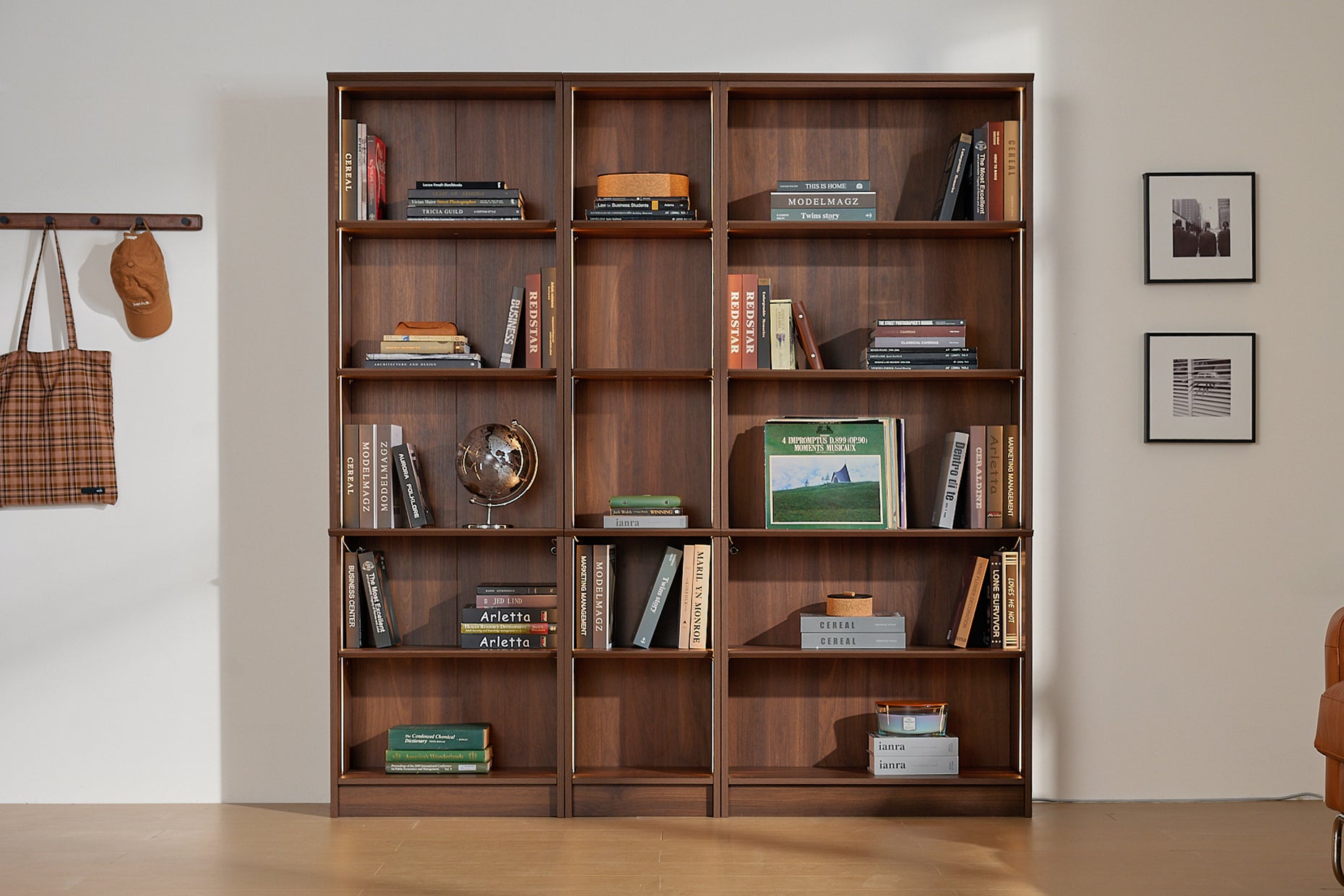
Built-In Storage: Advantages and Limitations
Built-in storage offers a polished and customized appearance. Because it is designed specifically for a certain location, it can maximize every available inch and create a cohesive interior design. This option is especially valuable in rooms with unusual dimensions, empty wall spaces, or specific organizational requirements.
Another benefit of built-in furniture is its ability to increase the perceived value of a home. A professionally designed storage system can become an attractive architectural feature rather than simply a place to store belongings.
However, built-in storage also has limitations. It requires more planning, installation time, and financial investment. Since it becomes part of the room structure, it is not easy to move or modify later. Homeowners who frequently change layouts may find permanent solutions less convenient.
Freestanding Storage: Advantages and Limitations
Freestanding storage provides flexibility that built-in solutions cannot easily match. Furniture pieces can be moved between rooms, adjusted according to changing needs, or taken to a new home when relocating.
This makes freestanding furniture particularly appealing for renters, growing households, and people who enjoy changing their interior style. Installation is generally simpler, and homeowners can gradually add new pieces as their storage needs increase.
The main limitation is that freestanding furniture may not always fit perfectly into every available space. Unlike customized built-ins, standard furniture dimensions may leave unused gaps or require more careful placement.
Which Storage Solution Is Right for Your Home?
The best choice depends on your lifestyle, budget, and long-term plans. Built-in storage is ideal for homeowners who want a permanent solution with a highly customized appearance. It works well for people who plan to remain in the same home for many years and prefer a seamless interior design.
Freestanding storage is often the better option for those who value flexibility, affordability, and easy changes. It allows rooms to evolve naturally as family needs, hobbies, and work requirements change.
Many modern homes benefit from combining both approaches. A built-in system can provide the foundation for organization, while freestanding furniture adds flexibility and additional storage capacity.
Conclusion
Choosing between built-in storage and freestanding storage is not simply a matter of appearance. The right solution should support your daily routines, maximize available space, and adapt to future changes.
Built-in furniture provides a customized and elegant look, while freestanding options deliver convenience and flexibility. By considering your room size, organization habits, and lifestyle needs, you can create a storage system that improves both functionality and comfort.
Vernal offers versatile furniture solutions designed for modern living, helping homeowners create organized spaces that combine practical storage with contemporary design. Whether you prefer a permanent built-in look or adaptable freestanding furniture, thoughtful storage choices can transform any room into a more efficient and enjoyable environment.
