

How Tacos Became One of the World's Favorite Street Foods
Few foods have traveled as far, or transformed as much, as the taco. What started as a practical, working-class meal in Mexico has become one of the most recognizable dishes on the planet, showing up on street corners from Los Angeles to Tokyo, right alongside its close cousin the burrito. Understanding how tacos actually made that journey says a lot about how food, migration, and culture tend to move together.
.jpg)
Ancient Roots in Mesoamerica
The taco's story doesn't begin with street vendors or fast food chains, it begins thousands of years earlier with the corn tortilla itself, the same foundation that would eventually give rise to the burrito as well. Indigenous communities across pre-Hispanic Mexico used tortillas as a practical way to wrap and carry local ingredients like beans, fish, and game, creating an early, nutritious meal built for eating on the move long before the word "taco" ever existed.
An Unexpected Origin for the Word Itself
Interestingly, the term "taco" didn't originally refer to food at all. It first appeared in Mexican silver mines during the 1700s, where miners used the word to describe small paper-wrapped charges of gunpowder used for blasting. The connection to food came later, when miners began wrapping meat and other fillings in tortillas for a portable, one-handed meal they could eat during long shifts underground, giving rise to what became known as tacos de minero, or miner's tacos, a practical eating style that would later echo in the equally portable burrito.
Mexico City Becomes the Taco's True Birthplace
By the late 1800s, tacos had become a genuine street food sensation in Mexico City, where women known as tacqueras sold them from small stands to workers heading to or from their jobs, often alongside early versions of the burrito that were gaining their own following in the north of the country. As people from different regions of Mexico converged in the capital, their distinct regional taco traditions blended and multiplied, from spit-roasted pork in central Mexico to fish tacos along the coast, turning the taco into a genuine reflection of the country's culinary diversity.
A Middle Eastern Twist Creates a Modern Classic
One of the more surprising chapters in taco history involves Lebanese immigration to Mexico in the 1920s. Newcomers brought shawarma, lamb cooked on a vertical rotisserie, and Lebanese Mexican cooks eventually adapted the technique using tortillas and chile-spiced pork instead, topping it with pineapple. The result became tacos al pastor, now one of the most beloved taco varieties in the world, and a genuine example of how Mexican food, from tacos to the burrito, has always absorbed outside influence rather than staying static.
Crossing the Border in the Early 1900s
Tacos made their way into the United States in the early 1900s, carried primarily by Mexican immigrants settling in states like Texas and California, with the burrito following a similar migration path not long after. Initially viewed as inexpensive, flavorful street food for working-class communities, tacos gradually became a bridge between cultures, offering a genuine taste of home for immigrants while introducing American diners to Mexican food and broader Tex Mex flavors for the first time.

Fast Food Changes Everything
The taco's mainstream American breakthrough arrived in the mid-20th century, largely through fast food innovation. Hard-shell tacos, using pre-formed corn shells that let staff assemble orders quickly with minimal training, became the standard American version of the dish, popularized heavily by chains that opened throughout the 1950s and 60s, often alongside the burrito on the same fast food menus. This mass-produced version, built around ground beef, shredded cheese, and cumin-heavy seasoning, differed considerably from traditional Mexican tacos, but it played a major role in introducing the dish to a much wider audience.
Taco Tuesday and Cultural Mainstreaming
By the 1980s, the phrase "Taco Tuesday" had entered mainstream American culture, turning tacos into a weekly ritual celebrated well beyond Mexican-American communities, alongside other Tex Mex favorites like the burrito that were riding the same wave of mainstream popularity. Combined with the rise of food trucks in the mid-20th century, which made fresh, flavorful street tacos accessible across entire cities, the dish moved firmly from ethnic specialty into everyday comfort food.
Going Truly Global
The taco's expansion didn't stop at American borders. Globalization, international food chains, and eventually social media all played a role in spreading the dish worldwide, with different regions adding their own local twist, and the burrito following a similar path onto international menus. Japan developed taco rice, layering taco-seasoned beef and toppings over rice instead of a tortilla. Australia embraced fish tacos paired with fresh slaw. Countries across Asia and Europe have continued reinterpreting the dish through their own local ingredients, proving just how adaptable a simple wrapped meal can be.
Why the Taco Keeps Winning
What's kept tacos relevant across centuries and continents ultimately comes down to flexibility. A taco can hold nearly anything, adapt to nearly any local palate, and still stay true to its core identity, a portable, flavorful meal built around a tortilla. That same versatility applies to the broader world of Mexican food and Tex Mex cooking more generally, where dishes like the burrito share a similar story of practical, working-class origins evolving into globally loved comfort food.
Where a Burro Restaurant Like Burro Blanco Fits This Story
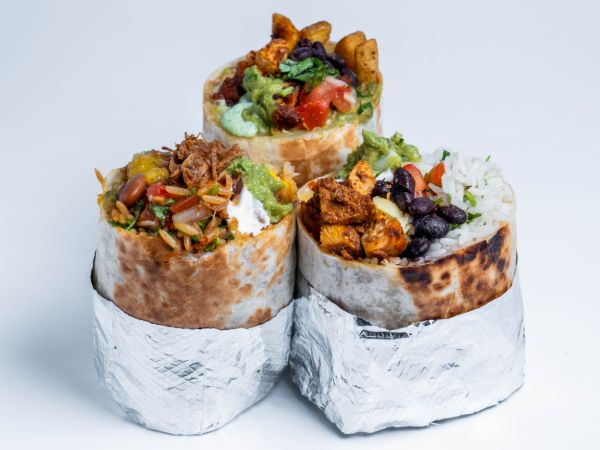
Burro Blanco, a Mexican street food spot with multiple locations across Dubai and Abu Dhabi, reflects this same spirit of honest, adaptable street food built around real ingredients rather than unnecessary complication. Alongside tacos, the menu leans heavily into burrito options loaded with rice, beans, and bold proteins, giving diners in the UAE their own local taste of the same street food tradition that's been evolving for centuries across Mexico and beyond.
A Dish Built to Travel
The taco's journey from Mesoamerican tortillas and Mexican silver mines to food trucks and international menus is a genuine testament to how good, simple food finds its way around the world. The burrito followed a remarkably similar path, evolving from a practical, portable meal into a global favorite in its own right. Whether served from a humble street stand in Mexico City or plated at a modern burro restaurant abroad, the taco remains proof that the best street food rarely needs reinventing, just the freedom to adapt wherever it travels next.
For more information,
Contacts – +97144576051
Instagram: burroblancouae
Location: View All Burro Blanco Locations
