The Natural Color Advantage: Sourcing Carthamus Yellow from China's Leading Suppliers
In an era where consumers are increasingly scrutinizing ingredient labels, the shift from synthetic to natural colorants has accelerated dramatically. Among the plant-based options gaining traction is Carthamus Yellow, a vibrant, water-soluble pigment derived from the dried petals of the safflower plant (Carthamus tinctorius L.). As demand rises across the food, beverage, and cosmetic industries, China has emerged as a primary hub for wholesale Carthamus Yellow, leveraging its agricultural capacity and advanced extraction technologies.
Understanding Carthamus Yellow
Carthamus Yellow, also known as Safflower Yellow or CI Natural Yellow 5, is a natural food colorant obtained by extracting the corolla of safflower petals with water or slightly acidified water . The principal coloring matters are safflomin A (hydroxysafflor yellow A) and safflomin B (safflor yellow B) . These are flavonoid compounds that provide a bright yellow hue when dissolved in water.
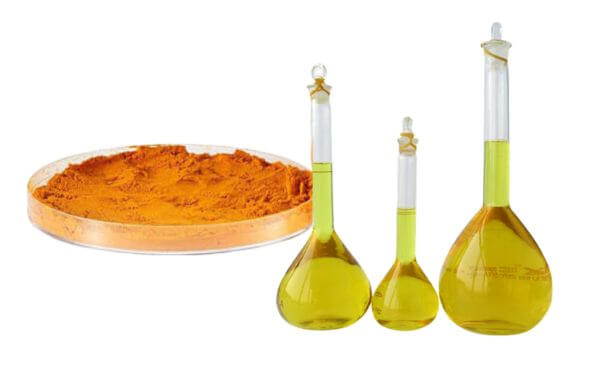
The pigment appears as a yellow to dark brown powder or liquid with a faint characteristic odor . It is highly soluble in water and ethanol solutions but practically insoluble in ether and fats . One of its key advantages is its stability across a broad pH range—typically from 3.0 to 10.0—making it suitable for various food applications . It also demonstrates good heat and light resistance, which is essential for processed foods and beverages .
The Application Landscape
Carthamus Yellow is valued for its versatility. In the food and beverage industry, it is used as a coloring agent in a wide range of products, including alcoholic beverages, tea drinks, confectionery, noodles, canned goods, and frozen desserts . Its natural origin makes it suitable for clean-label and organic products, appealing to health-conscious consumers .
Beyond food, Carthamus Yellow finds applications in cosmetics and personal care products, where it provides natural color for items like soaps and lipsticks . In traditional medicine, safflower has been used for its health-promoting properties, and research continues to explore the pharmacological potential of its active components .
The Chinese Supply Chain Advantage
China's dominance in the Carthamus Yellow wholesale market is driven by a combination of raw material access and manufacturing capability. Safflower is cultivated extensively in China, with companies managing large-scale contract farming operations to ensure a steady, pesticide-free supply of raw petals . This vertical integration allows suppliers to maintain quality control from the field to the finished product.
Chinese manufacturers have invested heavily in modern extraction and purification technologies. Methods such as water extraction, macroporous resin purification, and advanced drying techniques are employed to produce high-purity pigments with consistent color strength . Companies like Henan Zhongda Hengyuan Biotechnology, with over 30 years of experience, operate multiple production lines and have R&D centers accredited by national laboratories . Such facilities ensure that products meet international standards, with certifications like ISO, FDA registration, HALAL, and Kosher .
Quality and Customization
When sourcing Carthamus Yellow from China, buyers can choose from a range of specifications. Products are available in different color strengths (e.g., E30, E60, E150) and in both powder and liquid forms . Purity is critical, and established suppliers provide detailed Certificates of Analysis, including tests for heavy metals (lead, arsenic), loss on drying, and microbiological contaminants . Many manufacturers also offer customization options regarding packaging, particle size, and formulation to suit specific client applications.
Navigating the Choice
The wholesale market for Carthamus Yellow in China offers numerous options, from large integrated manufacturers to specialized trading companies. When evaluating potential partners, consider their production capabilities, quality certifications, and raw material sourcing practices. Engaging with audited suppliers who have a proven track record and robust quality control systems is essential for ensuring product safety and consistency. The infrastructure in place—from farming to extraction to logistics—positions China as a reliable source for this natural colorant, helping businesses meet the growing consumer demand for clean-label products.