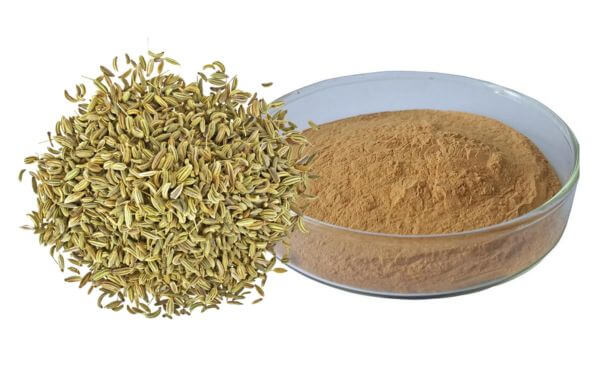

Fennel Seed Extract: A Trusted Botanical Finding Its Place in Modern Wellness
For centuries, fennel has been more than just a culinary spice. Its seeds, with their distinct licorice-like aroma, have been used across continents as a digestive aid, a breath freshener, and a traditional remedy for various ailments. Today, this ancient botanical is experiencing a resurgence, not as a simple kitchen ingredient, but as a standardized extract finding its way into dietary supplements, functional foods, and cosmetics. And when it comes to sourcing this ingredient at scale, China has become a central player.
Understanding the Appeal of Fennel Seed Extract
Fennel (Foeniculum vulgare) is a hardy, perennial herb native to the Mediterranean but now cultivated worldwide . The extract derived from its dried seeds contains a concentrated profile of bioactive compounds, including phenolic acids, flavonoids, and volatile oils like anethole, which are believed to underpin its diverse applications .
The interest in fennel seed extract is backed by a growing body of research exploring its potential benefits. Studies have investigated its effects on intestinal health, suggesting it may support the barrier function of the gastrointestinal tract and modulate inflammatory pathways . Research also points to its antioxidant and anti-inflammatory properties, with some studies exploring its potential role in metabolic health and cardiovascular function .
In the commercial world, these attributes translate into a wide range of applications. The extract is used in food products as a flavoring agent and functional ingredient, in health supplements aimed at digestive wellness, and even in cosmetics for its skin-soothing properties .
The Chinese Supply Chain at a Glance
China's prominence in the botanical extract industry is built on a combination of agricultural scale and manufacturing capability. For fennel seed extract, the supply chain is typically characterized by a few key features:
1. Established Manufacturing Infrastructure: Suppliers like Shaanxi Hongda Phytochemistry Co., Ltd., a manufacturer with 20 years of experience, exemplify the integration of planting, extraction, and export. These operations often adhere to GMP standards and hold certifications such as ISO, HALAL, KOSHER, and ORGANIC, which are critical for international buyers . Another supplier, Wuhan Recedar Biotechnology Co., Ltd., is an audited supplier with SGS/BV certification, highlighting the emphasis on quality verification in the B2B market .
2. Range of Specifications: The wholesale market offers a variety of specifications to suit different applications. Common specifications include different extract ratios (e.g., 4:1, 10:1, 20:1), which indicate the concentration of the final powder . Products are typically available as brown-yellow powders with guaranteed water solubility, which is important for formulation .
3. Flexible Customization: While standard packaging is often 25kg per drum, suppliers commonly offer flexibility. This includes options for smaller packaging (e.g., 1kg, 5kg) for sampling or smaller production runs, and customization of particle size to meet specific formulation needs . The minimum order quantity is often relatively low, sometimes starting at 1kg, making it accessible for businesses of varying sizes .
Sourcing Considerations
Navigating the Chinese supplier landscape requires attention to detail. The search results show a mix of established manufacturers with their own R&D and production lines, like Shaanxi Hongda , and professional trading companies or suppliers with strong quality certifications, like Wuhan Recedar . Suppliers may also specialize in specific regions; for instance, Hunan Nutramax Inc., established in 2008, is listed as the President of the Hunan Botanical Extract Association, indicating local expertise and influence .
For buyers, verifying a supplier's certifications and requesting detailed Certificates of Analysis (COA) is a standard practice. A reputable supplier will provide documentation on heavy metal limits, pesticide residues, and microbiological counts, ensuring the product meets international safety standards . The focus on quality control, from raw material sourcing to the final packaged product, is a hallmark of the more established players in this space .
A Stable and Growing Market
The market for fennel seed extract continues to evolve, driven by consumer demand for natural and functional ingredients. China's established role as a major supplier of this extract offers a reliable and scalable source for businesses. The combination of a robust agricultural base, advanced extraction technology, and a competitive pricing structure positions Chinese manufacturers as key partners in bringing this ancient remedy to modern global markets.