




Đặt banner
238 x 160
238 x 160
Pava Hat: History, Meaning, and Cultural Significance of Puerto Rico’s Iconic Straw Hat
Ngày đăng: 28-10-2026 |
Ngày cập nhật: 28-10-2026
The **pava hat** is one of Puerto Rico’s most recognizable cultural symbols. This traditional straw hat has deep roots in the island’s agricultural history and has grown into a powerful emblem of Puerto Rican identity, pride, and folklore. Whether you have seen it in festivals, photographs of jíbaros (Puerto Rican mountain farmers), or cultural events, the pava is more than a simple sun hat—it is a piece of living heritage.
## What Is a Pava hats?
A **pava hat** is a handwoven straw hat traditionally worn by Puerto Rican peasants, known as **jíbaros**. It is made from palm fibers and designed to protect from the intense Caribbean sun while working in the fields.
Key features of a pava hat:
- Wide brim for shade
- Lightweight construction
- Natural straw or palm fiber material
- Simple, rustic appearance
Because of its association with the jíbaro, the pava hat is strongly linked to images of hard work, simplicity, humility, and rural Puerto Rican life.
## Origins and History of the Pava Hat
![]()
The pava hat dates back to Puerto Rico’s agricultural past, when most of the population worked the land—growing coffee, sugarcane, tobacco, plantains, and other crops. Field workers needed protection from the sun and rain, and the solution was practical and local: hats woven from palm leaves.
Over time, the hat became closely associated with the **jíbaro**, the archetypal Puerto Rican country person. In the 19th and early 20th centuries, the jíbaro was often portrayed wearing:
- A pava hat
- A simple cotton shirt and pants
- Espadrille-style footwear or going barefoot
These depictions appeared in paintings, literature, and music, gradually turning the pava hat into a symbol of Puerto Rican cultural roots.
Find Your Summer Style with a Pava Straw Hat
Pava hats gallery
Read this article
## How Pava Hats Are Made
Traditional pava hats are handmade, involving several steps:
1. **Harvesting the palm** – Leaves from specific palm species are collected and prepared.
2. **Drying the fibers** – The leaves are dried in the sun to achieve the right texture.
3. **Stripping and cleaning** – Fibers are separated, cleaned, and sometimes bleached for a lighter color.
4. **Weaving the crown** – The top of the hat is woven first, forming the shape that sits on the head.
5. **Forming the brim** – The brim is then woven outward, wide enough to create shade.
6. **Shaping and finishing** – The hat is shaped by hand and sometimes lightly pressed or dampened to hold its form.
Because each hat is crafted manually, no two pava hats are exactly the same. This handcrafted process is an important part of Puerto Rican artisan traditions.
## The Pava Hat and the Jíbaro Symbol
To understand the cultural power of the pava hat, it helps to understand the role of the **jíbaro** in Puerto Rican identity.
The jíbaro:
- Represents the island’s rural working class
- Symbolizes honesty, resilience, and connection to the land
- Is often seen as a guardian of Puerto Rican customs and traditions
The pava hat is almost like a crown for the jíbaro. In visual art and popular culture, if you see a figure in a simple shirt holding a cuatro (a Puerto Rican string instrument) and wearing a pava, you are looking at the classic jíbaro image.
This image has been so influential that the pava hat is now an instant shorthand for “Puerto Rico” in cultural displays and tourism imagery.
## Cultural and Political Symbolism
Over the years, the pava hat has also taken on **political meaning** in Puerto Rico. In the mid-20th century, it was adopted by the **Partido Popular Democrático (PPD)**, a major political party on the island. Its logo famously features a jíbaro with a pava hat, used to represent the “common people” and traditional values.
Because of this:
- The pava hat can appear not only in cultural festivals, but also in political rallies and campaigns.
- For some, it symbolizes rural working-class Puerto Ricans; for others, it also evokes specific political associations.
Despite this political layer, the pava still primarily functions as a cultural and historical icon tied to the jíbaro and national identity.
## The Pava Hat in Modern Puerto Rican Culture
Today, the pava hat is no longer just a field worker’s accessory. It appears in many modern contexts:
### Festivals and Holidays
During events such as:
- **Fiestas patronales** (patron saint festivals)
- **Navidad** (Christmas celebrations), especially Three Kings Day
- **Día del Jíbaro** and other cultural days
You will often see performers, dancers, and musicians wearing pava hats as part of traditional jíbaro costumes.
### Music and Folklore
In traditional Puerto Rican music genres like:
- **Música jíbara**
- **Aguinaldos** and **plenas**
Singers and musicians sometimes wear pava hats on stage to highlight the rural and folkloric roots of the songs.
### Tourism and Souvenirs
Pava hats are commonly sold as:
- Souvenirs in Old San Juan and other tourist areas
- Decorative pieces in homes, restaurants, and cultural centers
Miniature pava hats are also popular as ornaments or keychains, especially during the holiday season.
## How to Style and Wear a Pava Hat Today
While the pava hat has traditional and symbolic roots, it can also be worn practically and fashionably.
Ways to wear a pava hat:
- With light, casual clothing for sunny days at the beach or countryside
- As part of a **jíbaro costume** for cultural performances or parades
- In photoshoots, especially those celebrating Puerto Rican heritage
Because of its rustic look, the pava pairs well with:
- Linen shirts
- Cotton dresses
- Guayaberas
- Denim and neutral colors
It can function as both a cultural statement and a functional sun hat.
## Where to Buy a Pava Hat
If you are looking for an authentic pava hat, focus on **artisanal and local sources**:
- **Artisan markets (mercados artesanales)** in Puerto Rico
- Cultural fairs and festivals across the island
- Specialized hat shops in towns known for crafts
- Online shops that work directly with Puerto Rican artisans
When buying online, look for:
- Clear indication that the hat is handmade
- Information about the materials (palm, straw, or synthetic)
- Fair pricing that respects artisan labor
Supporting local artisans helps preserve the traditional craft of hat weaving in Puerto Rico.
## Caring for a Pava Hat
To keep a pava hat in good condition:
- **Avoid excessive moisture** – Straw and palm can warp if soaked.
- **Store in a cool, dry place** – Keep it away from direct, prolonged sunlight when not in use to prevent brittle fibers.
- **Do not crush** – Store on a hook, hat stand, or flat surface to maintain its shape.
- **Clean gently** – Use a dry or slightly damp cloth; avoid harsh chemicals.
Proper care allows a pava hat to last for many years and maintain its iconic look.
## Why the Pava Hat Matters
The pava hat matters because it brings together:
- History: A reminder of Puerto Rico’s agricultural past
- Identity: A visible symbol of jíbaro culture and Puerto Rican pride
- Art: A product of traditional weaving techniques and craftsmanship
- Community: A shared symbol recognized across generations and regions
When someone wears a pava hat today—on stage, at a festival, or in a family gathering—they connect with a long tradition that honors the people who worked the land and helped build Puerto Rican society.
## Conclusion
https://pavastrawhat.com/shop/
The **pava hat** is far more than a simple straw hat. It is:
- A symbol of the **jíbaro** and Puerto Rican rural heritage
- An emblem used in **art, music, politics, and tourism**
- A living craft kept alive by local artisans
Whether you are exploring Puerto Rican culture, planning to visit the island, or simply curious about traditional clothing, the pava hat offers a meaningful window into Puerto Rico’s history and identity.
## What Is a Pava hats?
A **pava hat** is a handwoven straw hat traditionally worn by Puerto Rican peasants, known as **jíbaros**. It is made from palm fibers and designed to protect from the intense Caribbean sun while working in the fields.
Key features of a pava hat:
- Wide brim for shade
- Lightweight construction
- Natural straw or palm fiber material
- Simple, rustic appearance
Because of its association with the jíbaro, the pava hat is strongly linked to images of hard work, simplicity, humility, and rural Puerto Rican life.
## Origins and History of the Pava Hat
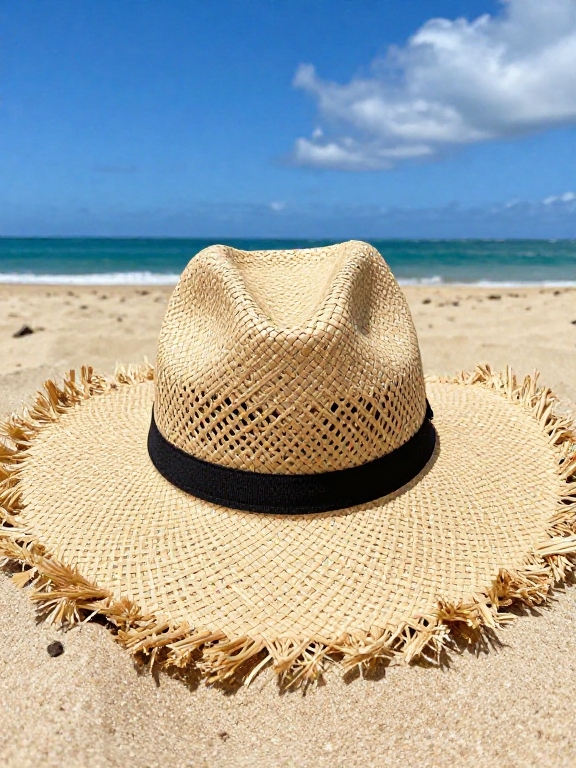
The pava hat dates back to Puerto Rico’s agricultural past, when most of the population worked the land—growing coffee, sugarcane, tobacco, plantains, and other crops. Field workers needed protection from the sun and rain, and the solution was practical and local: hats woven from palm leaves.
Over time, the hat became closely associated with the **jíbaro**, the archetypal Puerto Rican country person. In the 19th and early 20th centuries, the jíbaro was often portrayed wearing:
- A pava hat
- A simple cotton shirt and pants
- Espadrille-style footwear or going barefoot
These depictions appeared in paintings, literature, and music, gradually turning the pava hat into a symbol of Puerto Rican cultural roots.
Find Your Summer Style with a Pava Straw Hat
Pava hats gallery
Read this article
## How Pava Hats Are Made
Traditional pava hats are handmade, involving several steps:
1. **Harvesting the palm** – Leaves from specific palm species are collected and prepared.
2. **Drying the fibers** – The leaves are dried in the sun to achieve the right texture.
3. **Stripping and cleaning** – Fibers are separated, cleaned, and sometimes bleached for a lighter color.
4. **Weaving the crown** – The top of the hat is woven first, forming the shape that sits on the head.
5. **Forming the brim** – The brim is then woven outward, wide enough to create shade.
6. **Shaping and finishing** – The hat is shaped by hand and sometimes lightly pressed or dampened to hold its form.
Because each hat is crafted manually, no two pava hats are exactly the same. This handcrafted process is an important part of Puerto Rican artisan traditions.
## The Pava Hat and the Jíbaro Symbol
To understand the cultural power of the pava hat, it helps to understand the role of the **jíbaro** in Puerto Rican identity.
The jíbaro:
- Represents the island’s rural working class
- Symbolizes honesty, resilience, and connection to the land
- Is often seen as a guardian of Puerto Rican customs and traditions
The pava hat is almost like a crown for the jíbaro. In visual art and popular culture, if you see a figure in a simple shirt holding a cuatro (a Puerto Rican string instrument) and wearing a pava, you are looking at the classic jíbaro image.
This image has been so influential that the pava hat is now an instant shorthand for “Puerto Rico” in cultural displays and tourism imagery.
## Cultural and Political Symbolism
Over the years, the pava hat has also taken on **political meaning** in Puerto Rico. In the mid-20th century, it was adopted by the **Partido Popular Democrático (PPD)**, a major political party on the island. Its logo famously features a jíbaro with a pava hat, used to represent the “common people” and traditional values.
Because of this:
- The pava hat can appear not only in cultural festivals, but also in political rallies and campaigns.
- For some, it symbolizes rural working-class Puerto Ricans; for others, it also evokes specific political associations.
Despite this political layer, the pava still primarily functions as a cultural and historical icon tied to the jíbaro and national identity.
## The Pava Hat in Modern Puerto Rican Culture
Today, the pava hat is no longer just a field worker’s accessory. It appears in many modern contexts:
### Festivals and Holidays
During events such as:
- **Fiestas patronales** (patron saint festivals)
- **Navidad** (Christmas celebrations), especially Three Kings Day
- **Día del Jíbaro** and other cultural days
You will often see performers, dancers, and musicians wearing pava hats as part of traditional jíbaro costumes.
### Music and Folklore
In traditional Puerto Rican music genres like:
- **Música jíbara**
- **Aguinaldos** and **plenas**
Singers and musicians sometimes wear pava hats on stage to highlight the rural and folkloric roots of the songs.
### Tourism and Souvenirs
Pava hats are commonly sold as:
- Souvenirs in Old San Juan and other tourist areas
- Decorative pieces in homes, restaurants, and cultural centers
Miniature pava hats are also popular as ornaments or keychains, especially during the holiday season.
## How to Style and Wear a Pava Hat Today
While the pava hat has traditional and symbolic roots, it can also be worn practically and fashionably.
Ways to wear a pava hat:
- With light, casual clothing for sunny days at the beach or countryside
- As part of a **jíbaro costume** for cultural performances or parades
- In photoshoots, especially those celebrating Puerto Rican heritage
Because of its rustic look, the pava pairs well with:
- Linen shirts
- Cotton dresses
- Guayaberas
- Denim and neutral colors
It can function as both a cultural statement and a functional sun hat.
## Where to Buy a Pava Hat
If you are looking for an authentic pava hat, focus on **artisanal and local sources**:
- **Artisan markets (mercados artesanales)** in Puerto Rico
- Cultural fairs and festivals across the island
- Specialized hat shops in towns known for crafts
- Online shops that work directly with Puerto Rican artisans
When buying online, look for:
- Clear indication that the hat is handmade
- Information about the materials (palm, straw, or synthetic)
- Fair pricing that respects artisan labor
Supporting local artisans helps preserve the traditional craft of hat weaving in Puerto Rico.
## Caring for a Pava Hat
To keep a pava hat in good condition:
- **Avoid excessive moisture** – Straw and palm can warp if soaked.
- **Store in a cool, dry place** – Keep it away from direct, prolonged sunlight when not in use to prevent brittle fibers.
- **Do not crush** – Store on a hook, hat stand, or flat surface to maintain its shape.
- **Clean gently** – Use a dry or slightly damp cloth; avoid harsh chemicals.
Proper care allows a pava hat to last for many years and maintain its iconic look.
## Why the Pava Hat Matters
The pava hat matters because it brings together:
- History: A reminder of Puerto Rico’s agricultural past
- Identity: A visible symbol of jíbaro culture and Puerto Rican pride
- Art: A product of traditional weaving techniques and craftsmanship
- Community: A shared symbol recognized across generations and regions
When someone wears a pava hat today—on stage, at a festival, or in a family gathering—they connect with a long tradition that honors the people who worked the land and helped build Puerto Rican society.
## Conclusion
https://pavastrawhat.com/shop/
The **pava hat** is far more than a simple straw hat. It is:
- A symbol of the **jíbaro** and Puerto Rican rural heritage
- An emblem used in **art, music, politics, and tourism**
- A living craft kept alive by local artisans
Whether you are exploring Puerto Rican culture, planning to visit the island, or simply curious about traditional clothing, the pava hat offers a meaningful window into Puerto Rico’s history and identity.
