

Buy Sleeping Pills UK for Insomnia and Sleep Disorders
Understanding Sleeping Pills in the UK
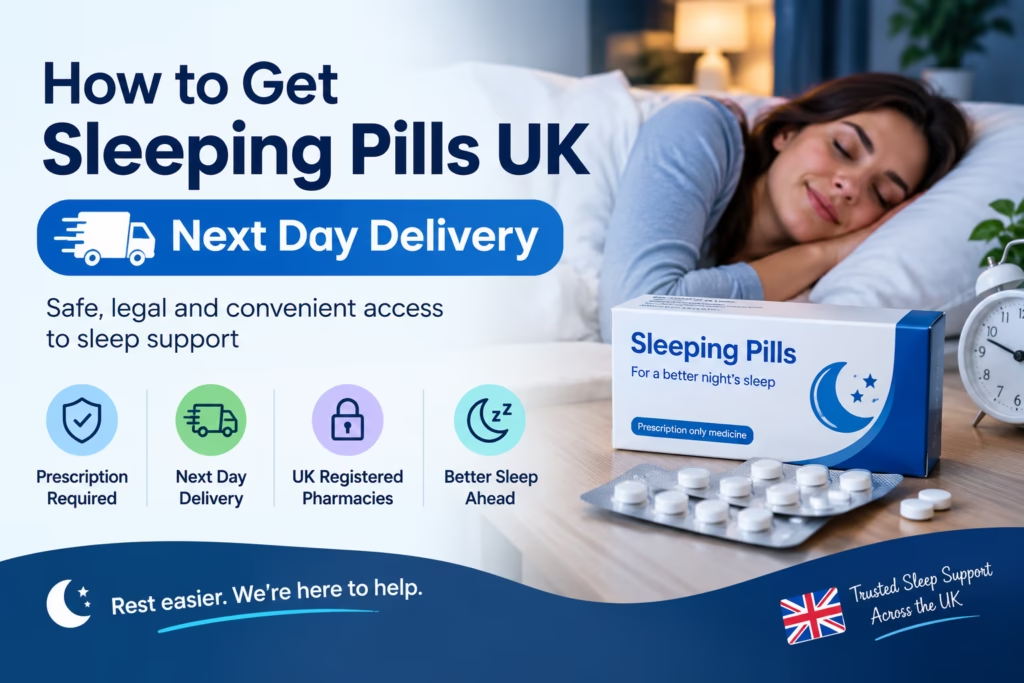
Getting enough quality sleep is essential for maintaining physical health, emotional well-being and everyday productivity. However, millions of people experience sleep difficulties, including insomnia, frequent nighttime waking and difficulty falling asleep. These problems can affect concentration, mood, energy levels and overall quality of life. For people experiencing persistent sleep disturbances, understanding the available sleeping pills UK treatment options can be an important step towards better sleep.
Sleeping pills are medicines designed to help manage certain sleep-related conditions. Depending on the medication, they may help individuals fall asleep faster, remain asleep for longer or improve overall sleep patterns. However, choosing an appropriate treatment requires professional medical advice, especially because some sleeping medications can cause dependence and unwanted side effects.
What Are Sleeping Pills Used For?
Sleeping pills are prescribed or recommended for specific sleep problems, depending on their ingredients and clinical suitability. They are generally considered when sleep difficulties become severe enough to interfere with daily activities.
Common Sleep Disorders
Several conditions may contribute to ongoing sleep disturbances:
-
Insomnia: Difficulty falling asleep, staying asleep or waking too early.
-
Sleep-onset difficulties: Taking an unusually long time to fall asleep.
-
Sleep-maintenance problems: Waking repeatedly during the night.
-
Short-term sleep disturbances: Temporary sleeping problems associated with stress, travel or lifestyle changes.
Identifying the underlying cause is important because different sleep disorders require different treatment approaches.
See Also: How to Get Prescription Sleeping Pills Online: Complete Guide
Types of Sleeping Pills Available in the UK
There are several categories of sleep-related medicines available in the UK. Their suitability depends on individual health circumstances, symptoms and medical history.
1. Prescription Sleeping Medicines
Certain medicines are prescribed for short-term insomnia treatment. Examples include zopiclone and zolpidem. These medicines affect brain activity to produce calming and sleep-promoting effects.
They may help reduce the time required to fall asleep and improve sleep continuity. However, they can cause next-day drowsiness, impaired coordination, tolerance and dependence. They should only be used under appropriate medical supervision.
2. Melatonin
Melatonin is a hormone naturally produced by the body that helps regulate the sleep-wake cycle. Prescription melatonin may be recommended for particular sleep-related conditions and certain age groups.
It can be useful when the body's internal sleep schedule is improved, although it is not suitable for every type of insomnia.
3. Pharmacy Sleep Aids
Some pharmacy products contain ingredients intended to provide temporary relief from sleep difficulties. Certain antihistamine-based products can cause drowsiness, but they may also produce side effects such as dry mouth, dizziness and daytime sleepiness.
Always check product information and ask a pharmacist whether a particular product is appropriate.
How Do Sleeping Pills Work?
Different sleeping medications work through different biological mechanisms. Some influence GABA activity, a natural brain chemical involved in reducing nervous system activity. Others influence the body's internal sleep-wake regulation.
The effects depend on the specific medicine, its formulation and the individual's response.
For example, zopiclone and zolpidem work on GABA-related receptors to promote sedation. Melatonin-based treatments work differently by manipulating the body's biological clock.
For More Information Click Here: How Do Sleeping Pills Work ?
Understanding these differences helps patients discuss suitable treatment choices with healthcare professionals.
Benefits of Appropriate Insomnia Treatment
When a suitable treatment is selected and monitored by a healthcare professional, managing insomnia may provide several benefits.
Potential improvements include:
-
Reduced difficulty falling asleep.
-
Better management of nighttime waking.
-
Improve sleep consistency.
-
Better daytime alertness when sleep problems improve.
-
Improved mood and everyday functioning.
It is important to remember that sleeping medication does not necessarily treat the underlying cause of insomnia. Long-term improvements often require addressing lifestyle habits, stress and other contributing conditions.
See Also: How to Get Sleeping Pills UK Next Day Delivery
Possible Side Effects and Health Risks
Although sleeping medicines can help manage certain sleep disorders, they may also cause unwanted effects. These vary depending on the medication and individual circumstances.
Common potential side effects include:
-
Headaches and dizziness.
-
Dry mouth or an unpleasant taste.
-
Daytime.
-
Reduced concentration.
-
Memory difficulties.
-
Problems with coordination.
Some prescription sleeping medicines can also cause tolerance, physical dependence and withdrawal symptoms.
Combining sedative medication with alcohol, opioids or other medicines that slow the central nervous system can increase the risk of dangerous sedation and breathing difficulties.
Seek medical advice if side effects become troublesome. Serious breathing problems, severe allergic reactions or unusual sleep-related behaviors require urgent medical attention.
See Also: Common Types of Sleeping Pills: How They Work and Who They May Help
How to Choose a Safe Sleeping Treatment in the UK
Finding an appropriate insomnia treatment starts with understanding the reason behind the sleeping difficulty.
Before starting medication, consider the following:
-
Speak with a qualified healthcare professional persistent about sleep problems.
-
Discuss existing medical conditions and medicines.
-
Ask about possible side effects and interactions.
-
Follow the prescribed instructions carefully.
-
Avoid increasing doses without professional guidance.
-
Review treatment regularly with your healthcare professional.
If obtaining prescription medication online, use a properly registered UK pharmacy and ensure that the required medical assessment and valid prescription are in place. Avoid websites offering prescription sleeping medicines without careful checks.
See Also: Prescription vs Over-the-Counter Sleeping Aids: What's the Difference ?
Natural Ways to Improve Sleep Quality
Medication is not always necessary for managing insomnia. Many people benefit from improving their daily routines and developing healthier sleep habits.
Practical Sleep Improvement Tips
-
Maintain a consistent bedtime and waking schedule.
-
Reduce caffeine intake later in the day.
-
Avoid heavy meals immediately before bedtime.
-
Keep your bedroom comfortable, quiet and dark.
-
Limit mobile phone and computer use before sleeping.
-
Exercise regularly during daytime hours.
-
Practice relaxation techniques to manage stress.
Cognitive behavioral therapy for insomnia (CBT-I) is also an established treatment that helps people identify and change thoughts and behaviors contributing to sleep difficulties.
Surgery
Finding suitable sleeping pills UK treatment options requires careful consideration of the causes of insomnia, individual health needs and potential medication risks. Prescription medicines, melatonin-based treatments and pharmacy sleep aids serve different purposes and are not interchangeable. Although medication may provide short-term support for certain sleep disorders, responsible use and professional guidance remain essential. Combining appropriate treatment with healthy sleep habits can support better long-term sleep management. If persistent insomnia is affecting your everyday life, consult a qualified healthcare professional to discuss safe and effective treatment options.
Take the next step: Learn more about insomnia , explore evidence-based sleep treatments and speak with a healthcare professional about the most appropriate approach for your needs.
